
Start with the product, not the litre figure
A good fill size starts with the product itself. Thick sauces, powders, creams and granules all settle differently, and the same nominal tub size can behave very differently once a packer adds headspace, a lid and a tamper seal. A 250 ml tub filled to the brim is not the same as a 250 ml tub that must hold 220 ml of product with room for closing and transport.
For food, pharmaceutical and cosmetic packing lines, the starting point is the fill weight or fill volume that the market expects. From there, the team can work out whether a smaller, medium or bulk container is the cleaner fit. A tight match reduces wasted space and helps pallets sit neater in transit across Johannesburg, Durban, Cape Town, Pretoria and Port Elizabeth.
Small tubs suit controlled portions and faster shelf movement
Smaller tubs are often the practical choice where portion control matters. They work well for samples, spreads, condiments, ointments, gels and travel packs. The lower fill volume can also help when a product is sold in high-turnover retail channels where neat display and easy handling matter.
- Useful for trial packs and introductory ranges
- Fits smaller retail shelves and counter displays
- Reduces product exposure once opened
- Helps with controlled dosing where the pack size is fixed
Smaller tubs also give packers more flexibility when the same product is sold in several sizes. A cosmetic cream, for example, may need a 30 ml pack for testers and a 100 ml pack for regular retail, with the same lid family used across both.
Medium sizes usually carry the widest range of products
Medium tubs sit in the middle for a reason. They are often the easiest size to plan around because they balance shelf presence, fill efficiency and carton packing. In many food and personal care ranges, medium containers are the point where the product feels substantial without becoming awkward to handle.
This size can suit sauces, chopped ingredients, dry mixes, creams and pharmaceutical components that need clear identification on the shelf or in a warehouse. It is also a sensible choice when a business wants one pack style that can move between retail, food service and contract packing with minimal changeovers.
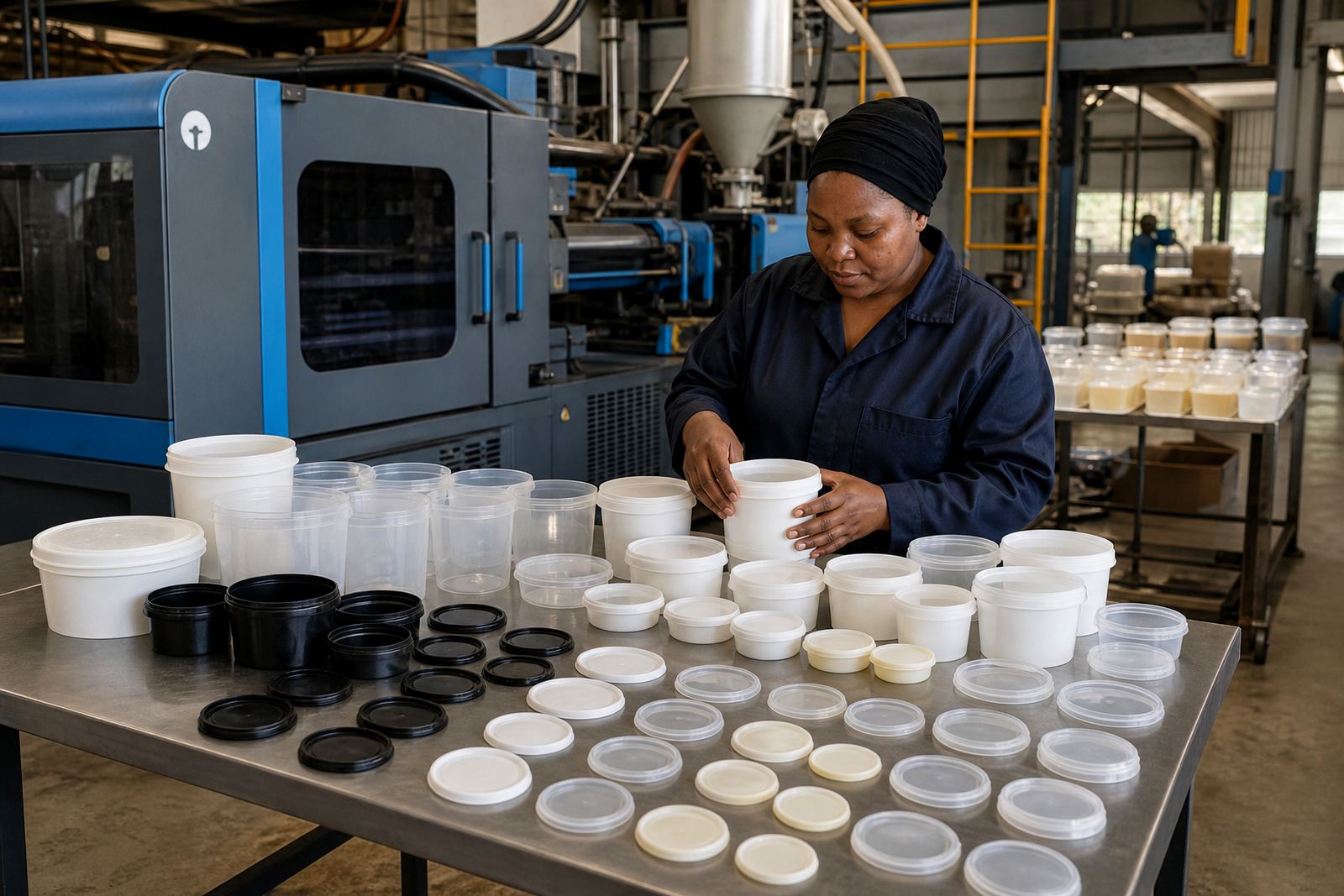
Where tamper evidence is needed, the medium range often gives enough shoulder and rim detail for a good seal without making the pack difficult to open. That matters on filling lines where operators need a lid that seats cleanly the first time, with no crushed rim or lopsided fit.
Bulk tubs work when storage, transport and handling need less fuss
Bulk containers are useful for packers who move larger quantities through a line or into trade supply. They suit ingredients, refill packs, base mixes and products that are portioned later. A bigger tub can cut down on repeated fills, but it must still stack properly and stay stable in cold rooms, warehouses and delivery vehicles.
Before moving to a bulk format, it helps to look at how the pack is lifted and carried. If the tub is too large for one-handed use, the handle grip, wall thickness and lid retention become more important. Coastal humidity in Durban and Port Elizabeth can also influence how packs are stored before dispatch, so the container needs to stay true and keep its shape.
- Better for trade packs and back-of-house use
- Can reduce the number of units handled on the line
- Needs careful attention to stack height and carton sizing
- Should still close neatly after repeated handling
Polypropylene and HDPE each suit different fills
Polypropylene and HDPE are both common materials for moulded tubs and containers, but they behave differently in use. Polypropylene is often chosen where a firmer feel and good clarity of shape are helpful. HDPE is often favoured for tougher handling, squeeze resistance and everyday storage.
The fill size and the product both affect the material choice. A light cream in a small cosmetic pack may sit better in one material, while a thicker food product in a bulk tub may benefit from the other. The lid design, tamper seal and stacking pattern should be considered at the same time, not one after the other.
For packers working with heat, cold or frequent handling, the container wall thickness and neck finish matter just as much as the volume. A good fit keeps the pack stable on the line and helps the lid seat evenly without extra pressure from operators.
A Gauteng packing line example
A Gauteng food packer filling savoury sauces in Alrode may begin with three sizes: a smaller retail tub, a medium family tub and a bulk back-up size for repacking. The smaller pack moves quickly through supermarkets, the medium one gives households a better value point, and the bulk unit keeps the production team supplied without constant line stops.
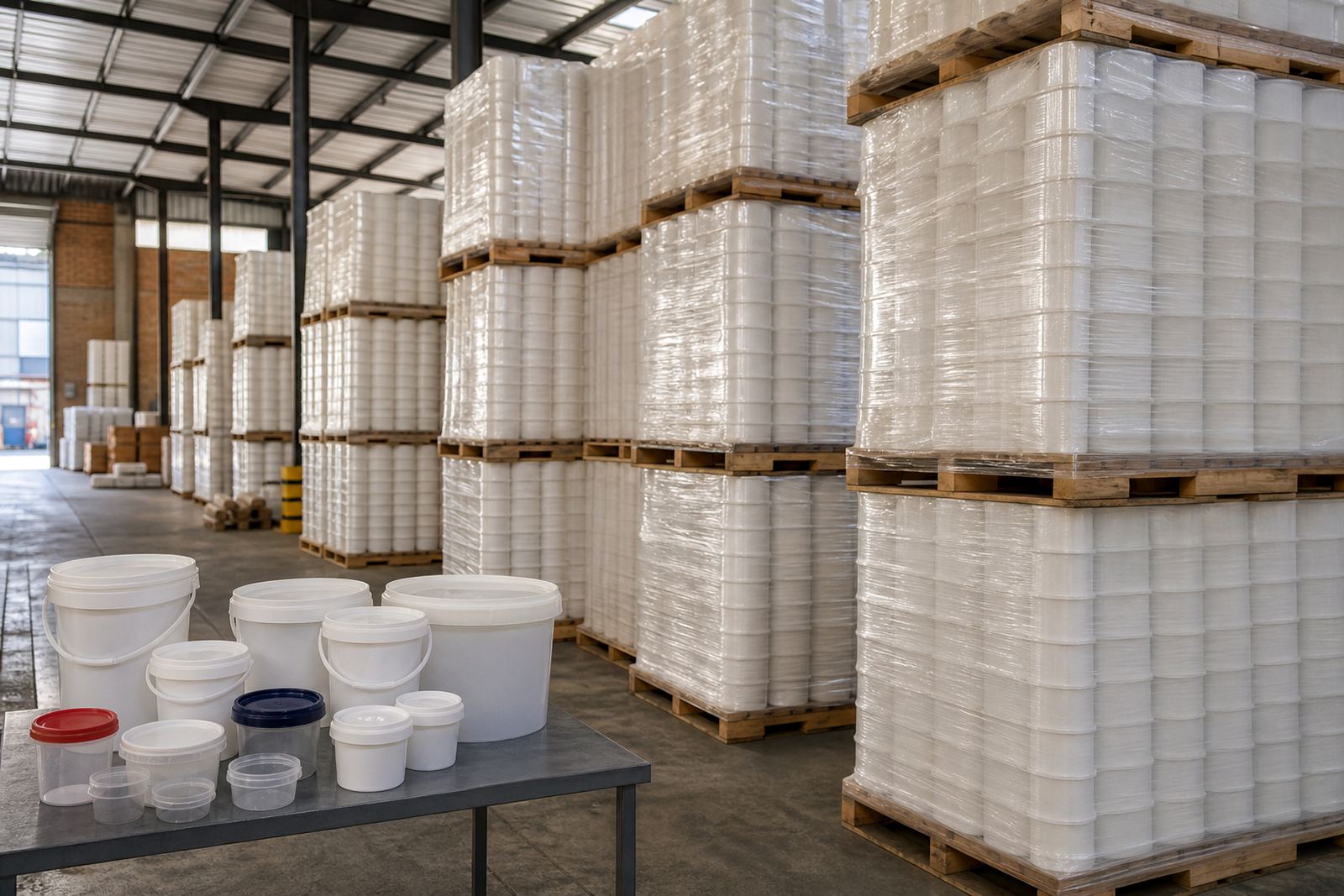
Once the pack sizes are set, the next check is how they sit in cartons and on pallets. If the tubs nest too tightly, labels can scuff. If they are too loose, lids may shift in transit. A trial production run makes it easier to spot these issues before full stock planning begins.
That sort of sizing work is often where fill size decisions become practical rather than theoretical. The aim is not only to fit the product, but to keep filling, sealing and dispatch orderly from the first unit to the last.
A short working list before you settle on a size
When comparing container sizes, it helps to look at a few points together rather than one at a time. The right answer usually appears once the line, the product and the delivery route are all considered together.
- Actual fill volume and the headspace needed above the product
- Whether the pack is for retail, food service or trade supply
- Lid style, tamper seal detail and how the rim closes
- Stacking in cartons, on pallets and in store rooms
- How the pack will be handled in humid or chilled conditions
- Whether one size can share mould features with another size
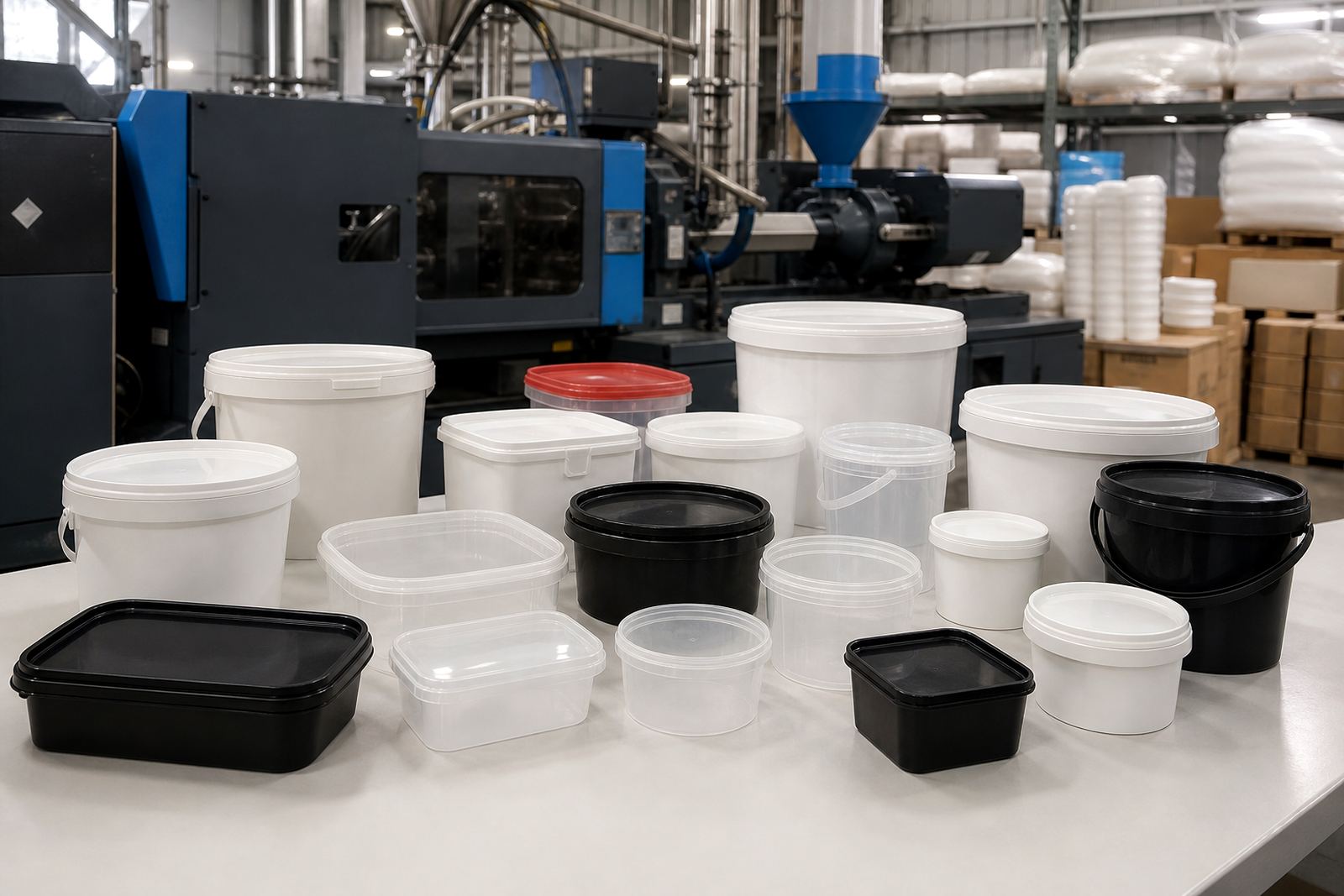
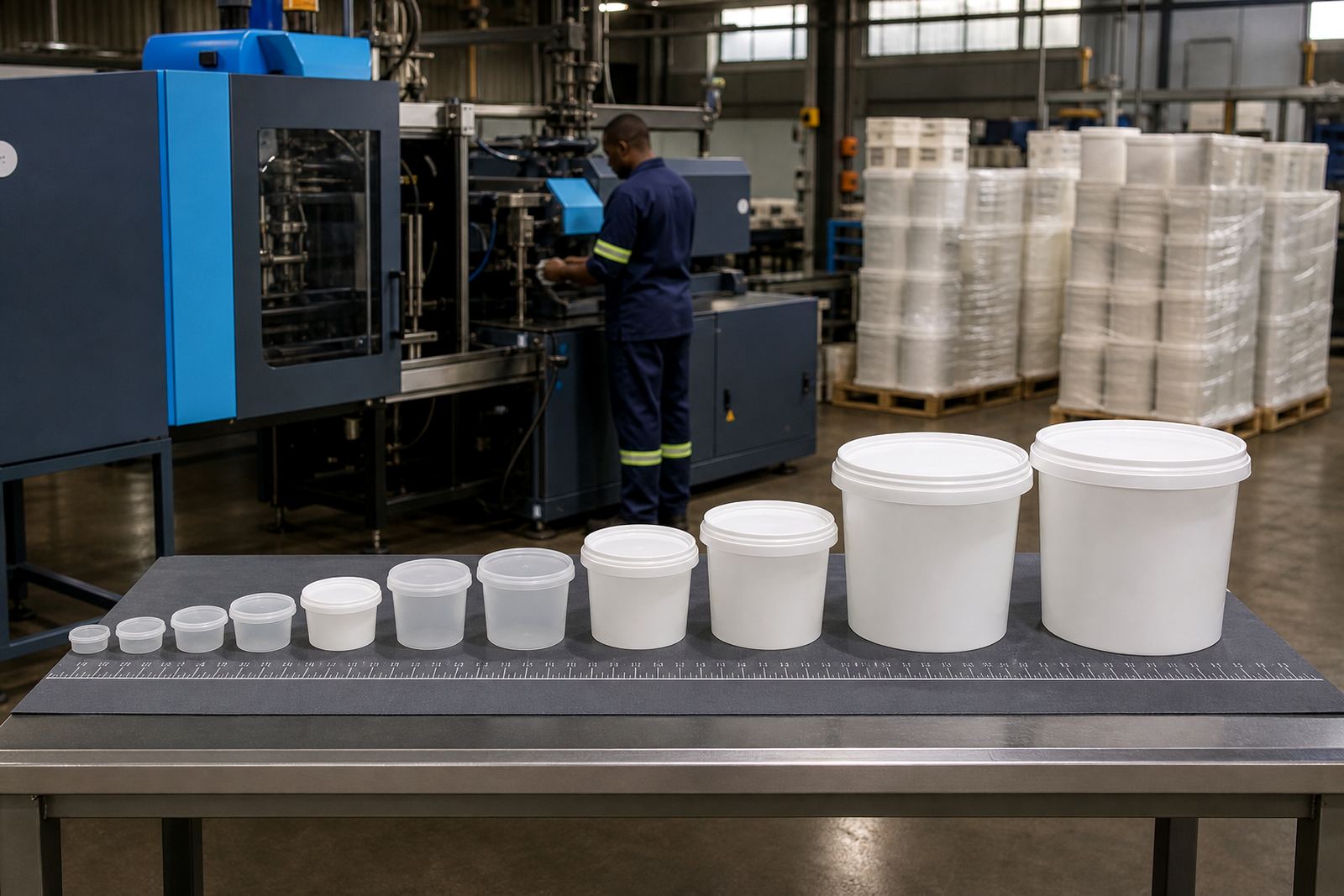
For many businesses, the best result is not a single container size across every range. It is a small, medium and bulk mix that matches the way the product is sold, packed and moved.
When a fill size change is worth making
A size change can be worth it when the product is leaking space in the carton, filling too close to the rim or creating awkward handling on the line. It can also help when a business wants a neater shelf profile or a better fit with a tamper seal and secondary packing.
If the current tub is forcing extra manual adjustment, the fill size may be the issue rather than the filling equipment. In those cases, a fresh look at container volume, lid design and mould detail can make the whole packing process easier to run. Small changes in millilitres can make a noticeable difference in stock movement and dispatch planning.
For packers serving Johannesburg, Pretoria, Alberton and surrounding areas, that small adjustment often pays off in cleaner stacking and easier warehousing. On long delivery routes to Cape Town or Port Elizabeth, it can also mean fewer shifting packs and less damage in transit.