Start With the Way Stock Moves Through the Building
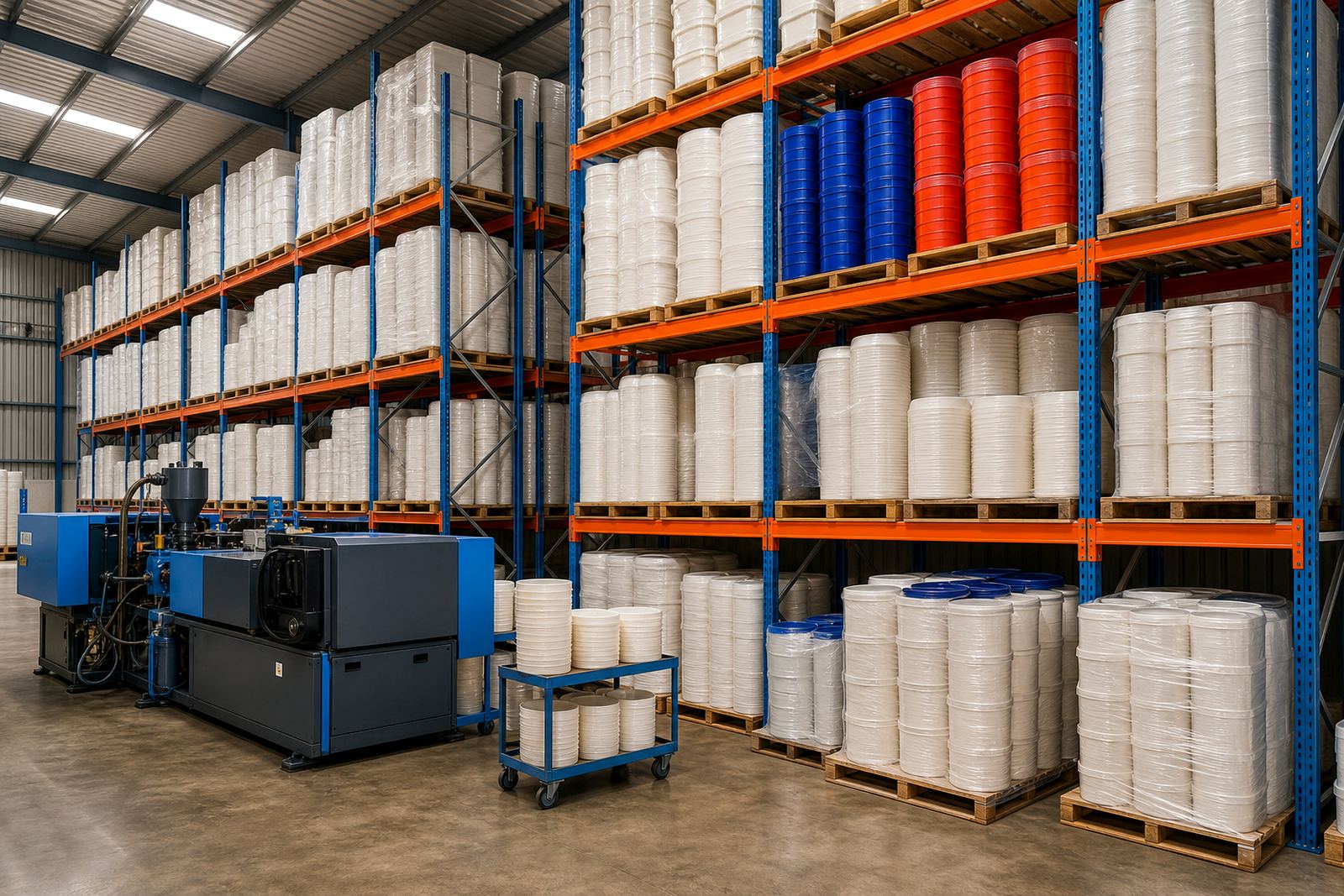
Warehouse space planning works best when the receiving point, storage lanes and dispatch area follow one clear flow. For injection-moulded tubs, that flow matters because cartons can be stacked neatly, but they still need room for inspection, relabelling and picking. If stock has to double back across the floor, workers spend too much time shifting pallets instead of loading orders.
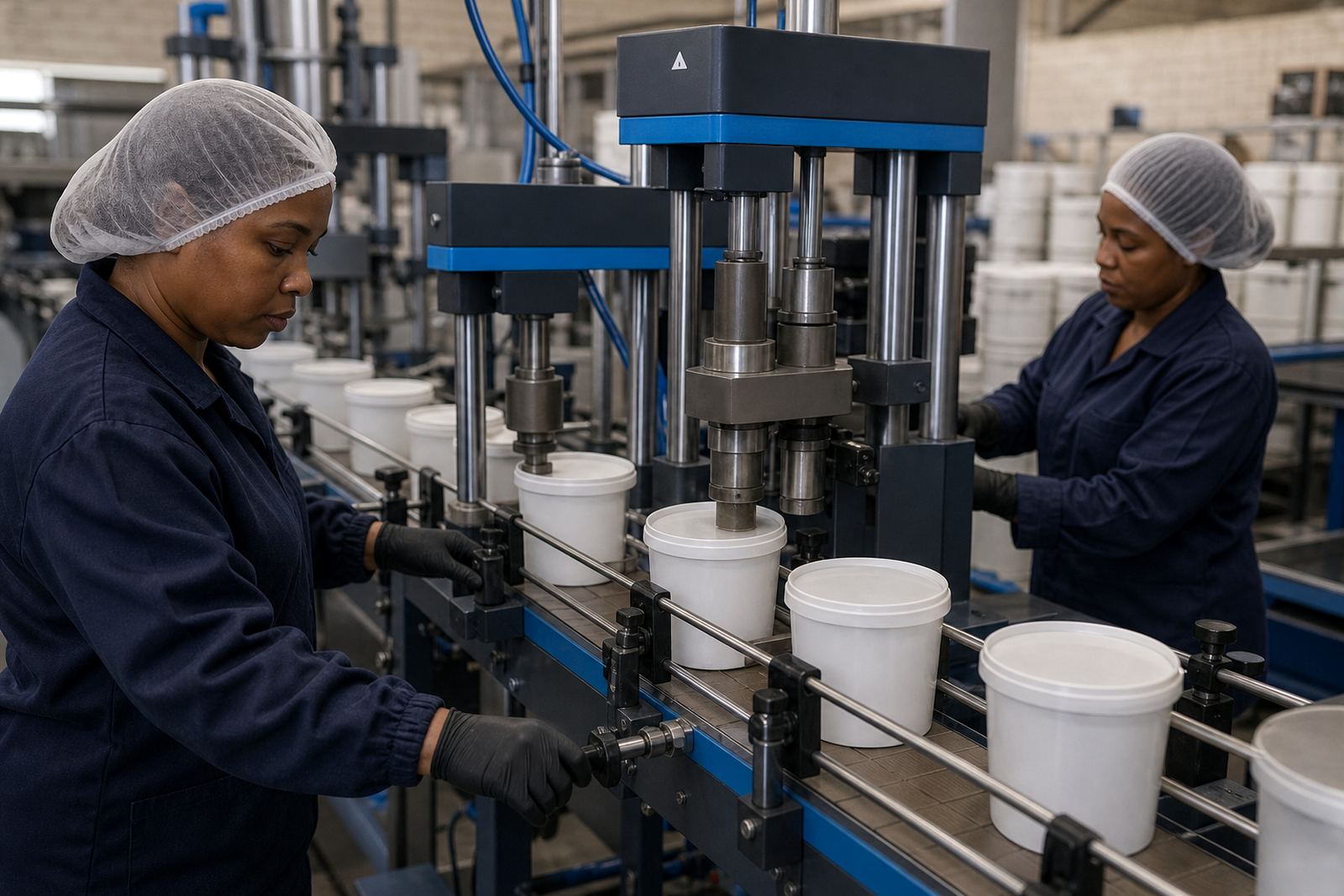
A practical layout separates incoming tubs, lids and tamper seals from picked orders, then leaves a clean route for trolleys and pallet jacks. In a food packing operation, that separation also helps keep dust, shrink wrap offcuts and outer cartons away from product-ready stock. It is a small change, though it saves a lot of awkward lifting later on.
Store Tub Sizes by Use, Not by Habit
Many packers group containers only by size, but that can leave the most active stock hidden behind slow movers. A better plan is to group tubs by packing line use, such as breakfast spreads, dry ingredients, pharmaceutical outer packs or cosmetic jars and tubs. That way the team can reach the cartons needed for the day without opening three other stacks first.
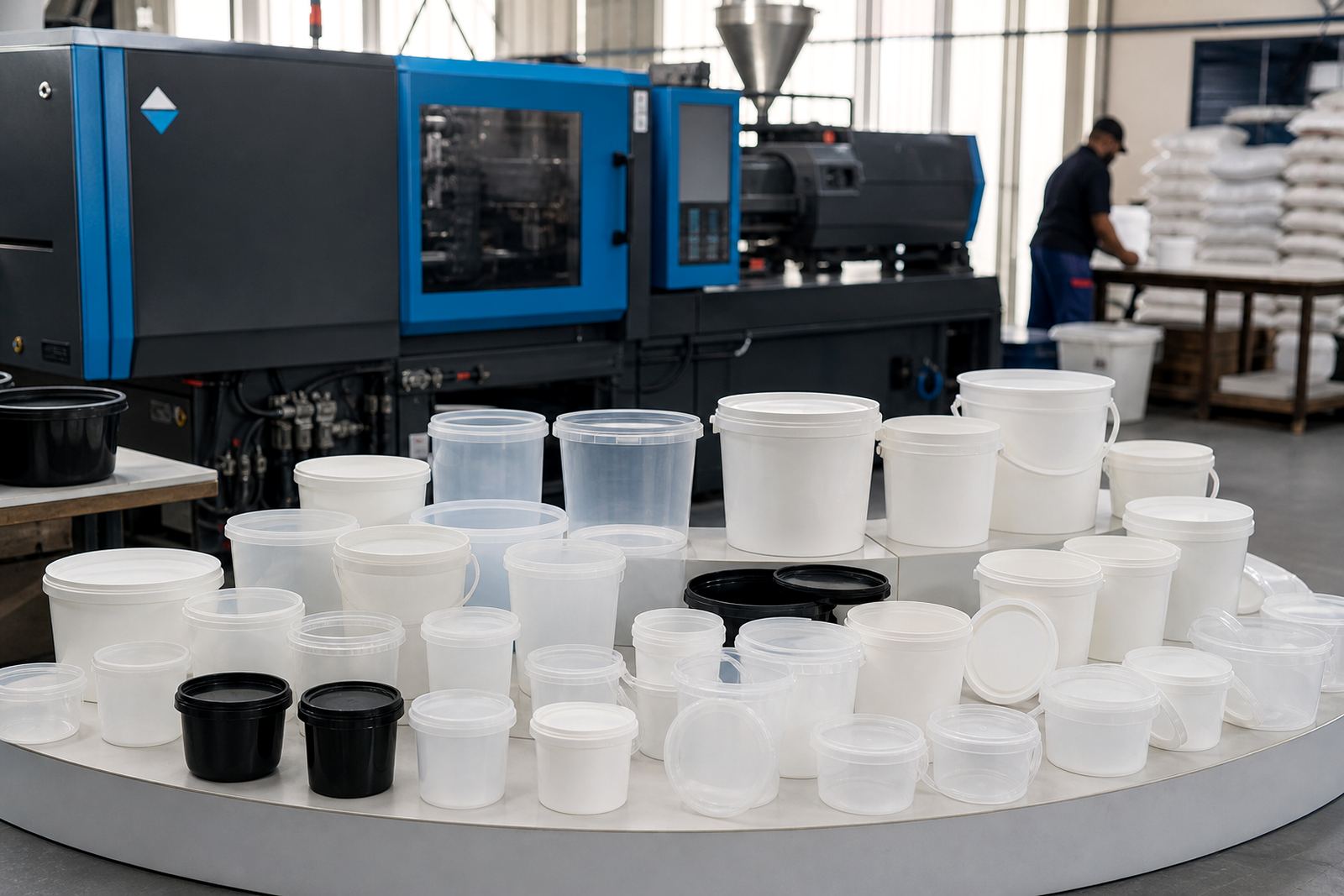
Polypropylene and HDPE containers both stack well, but their lids, wall thicknesses and pack counts may differ. If the warehouse keeps related items together, the team can match tubs with lids more confidently and reduce mistakes on the floor. For larger orders, it helps to keep the same product family on the same pallet row, even if the colours differ.
- Keep fast-moving tub sizes closest to dispatch.
- Store lids in clearly marked bays beside matching tubs.
- Separate food-grade stock from general packaging supplies.
- Place trial-run cartons where supervisors can check them easily.
Leave Enough Height, Width and Clearance for Safe Picking
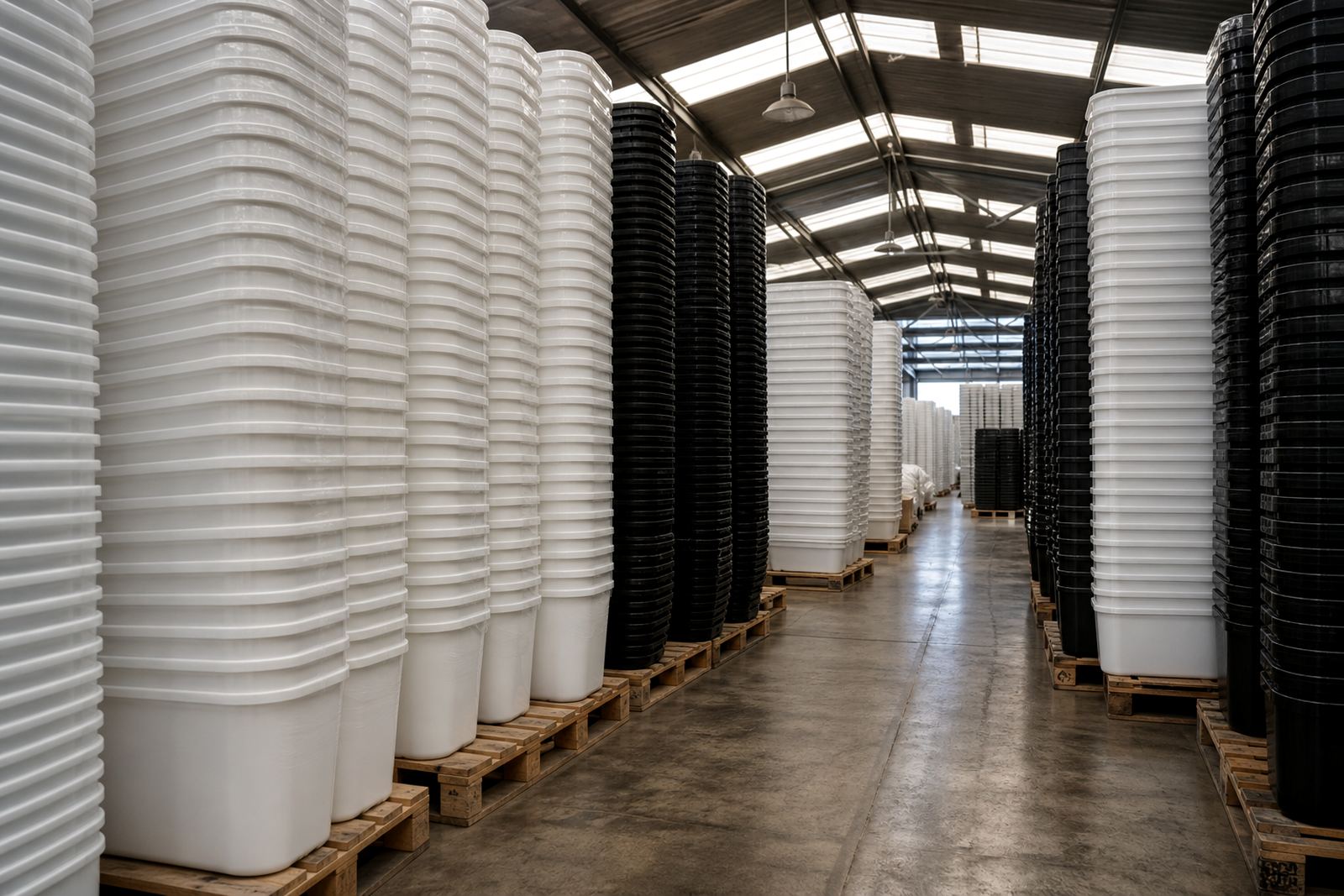
Stacking to the roof sounds efficient, but it often creates damaged cartons and awkward reaches. Space planning should leave enough height for safe handling, and enough aisle width for the equipment used in the building. In a busy Alberton warehouse, a narrow gap can slow every pick because the team has to turn pallets carefully and often move stock twice.
Look closely at how the cartons are packed. Injection-moulded tubs usually arrive nested or stacked in sleeves, and the outer cartons need support so they do not crush under load. If the warehouse deals with coastal deliveries to Durban or Port Elizabeth, the packing also needs enough protection against humidity, because damp outer cartons soften quickly and make handling messy.
- Keep the lowest pick face between knee and shoulder height where possible.
- Leave a clear lane for pallet jacks and manual trolleys.
- Do not place fragile stock under leaking roof sections or open vents.
- Mark turning points where cartons tend to catch or topple.
Group Lids, Tamper Seals and Matching Accessories Together
Lids and tamper seals deserve their own storage logic, because they move differently from tubs. They are lighter, easier to miscount and more likely to get mixed between pack sizes if the bays are not marked properly. When a packer needs a specific lid profile for a tub line, a neat accessory area cuts out a lot of sorting on the floor.
Plastic Factory works with packers that need line-fit checks, lid development and tamper seal design, so warehouse planning should reflect the real pack build. If the accessories live near the stock they belong with, it becomes easier to set aside complete packs for food, pharmaceutical and cosmetic runs. The warehouse team also sees shortages earlier, which helps with stock run planning and secondary packing advice.
Use Colour and Label Clues That Everyone Can Read
Good space planning is not only about shelves and floor marks. It also depends on labels that people can read at a glance, especially when several shifts share the same storage area. A label should show the product name, size, material type and pack count, with enough contrast to read under warehouse lighting.
Colour can help too, but it should support the system rather than fight it. Some warehouses use one colour for food-safe stock and another for general packaging, while others use pallet cards or bay numbers. The point is consistency. If one pallet is marked differently each week, the team ends up guessing, and guessing is where mistakes start.
- Use one label format across all storage bays.
- Mark damaged or hold stock with a clear separate tag.
- Keep colour coding simple enough for new staff to follow.
- Place bay numbers where they remain visible from the aisle.
Plan Dispatch Around Local Routes and Busy Days
Dispatch planning changes when orders must go to Johannesburg, Durban, Cape Town, Pretoria and Port Elizabeth from one base in Alrode. A warehouse that prepares stock by route can load the right pallets first and avoid last-minute reshuffling. That matters on busy weeks, especially when packers are balancing store orders, production schedules and municipal traffic delays around the industrial areas.
A local example is a cosmetic packer in Germiston that needs mixed tubs, lids and tamper seals on the same pallet group. If those items are staged in the right sequence, dispatch can load cleaner and the packing team can check quantities before the truck leaves. A little discipline at the rack line saves a lot of corridor congestion later.
Build Space Around Trial Runs and Changing Stock Runs
Trial production runs take up less space than full stock, but they create more movement around the warehouse. Samples, test cartons and short run batches should have a marked area that does not interfere with normal picking. That keeps test material separate from saleable stock and makes it easier to update the layout when a new tub, lid or colour is introduced.
In practice, the warehouse should be flexible enough to handle stock run planning without creating clutter. If a new polypropylene tub is replacing an older HDPE option, the old stock may still need a short holding space until it is cleared or reallocated. A workable layout gives the team breathing room for that transition, instead of forcing everything into one crowded aisle.
For packers in Alrode and nearby industrial areas, the best warehouse plan is usually not the biggest one. It is the one where every carton has a place, the aisles stay open, and dispatch can move without hunting for mixed product lines. That kind of order helps protect the tubs, and it keeps the packing floor easier to manage.