Why the round shape keeps winning shelf space
Round tubs have a long place in retail packing because the form is easy to handle and forgiving on a fast line. The corners that can catch product in square packs are absent, so creams, sauces, powders and many dry goods move through filling with less build-up around the edges.
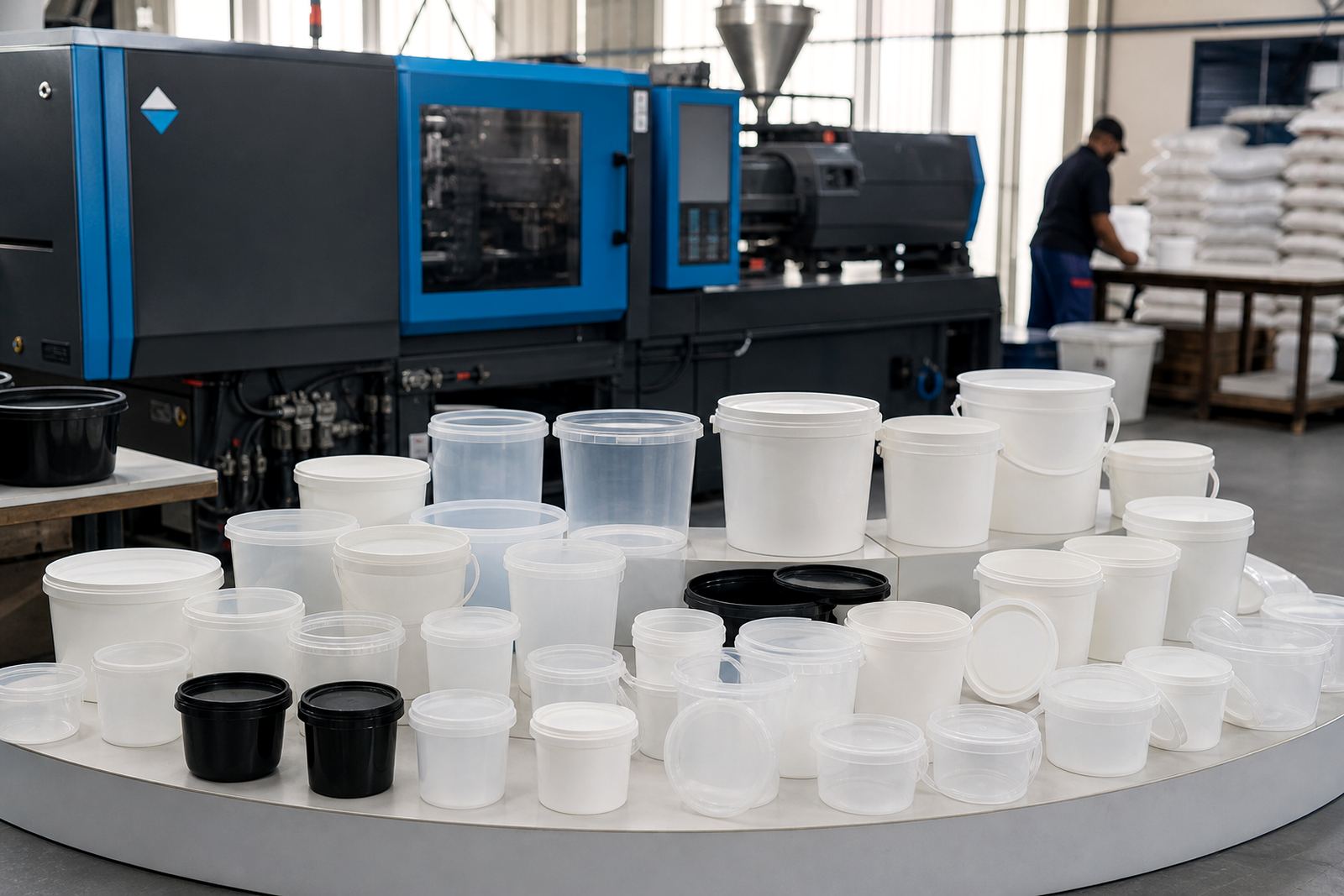
The shape also gives a neat look in clear or tinted material. That matters for brands that want the product visible, especially in food and cosmetic ranges where colour and texture help the customer make a quick choice. A round tub can look plain at first glance, yet it often does the useful work better than a more awkward pack.
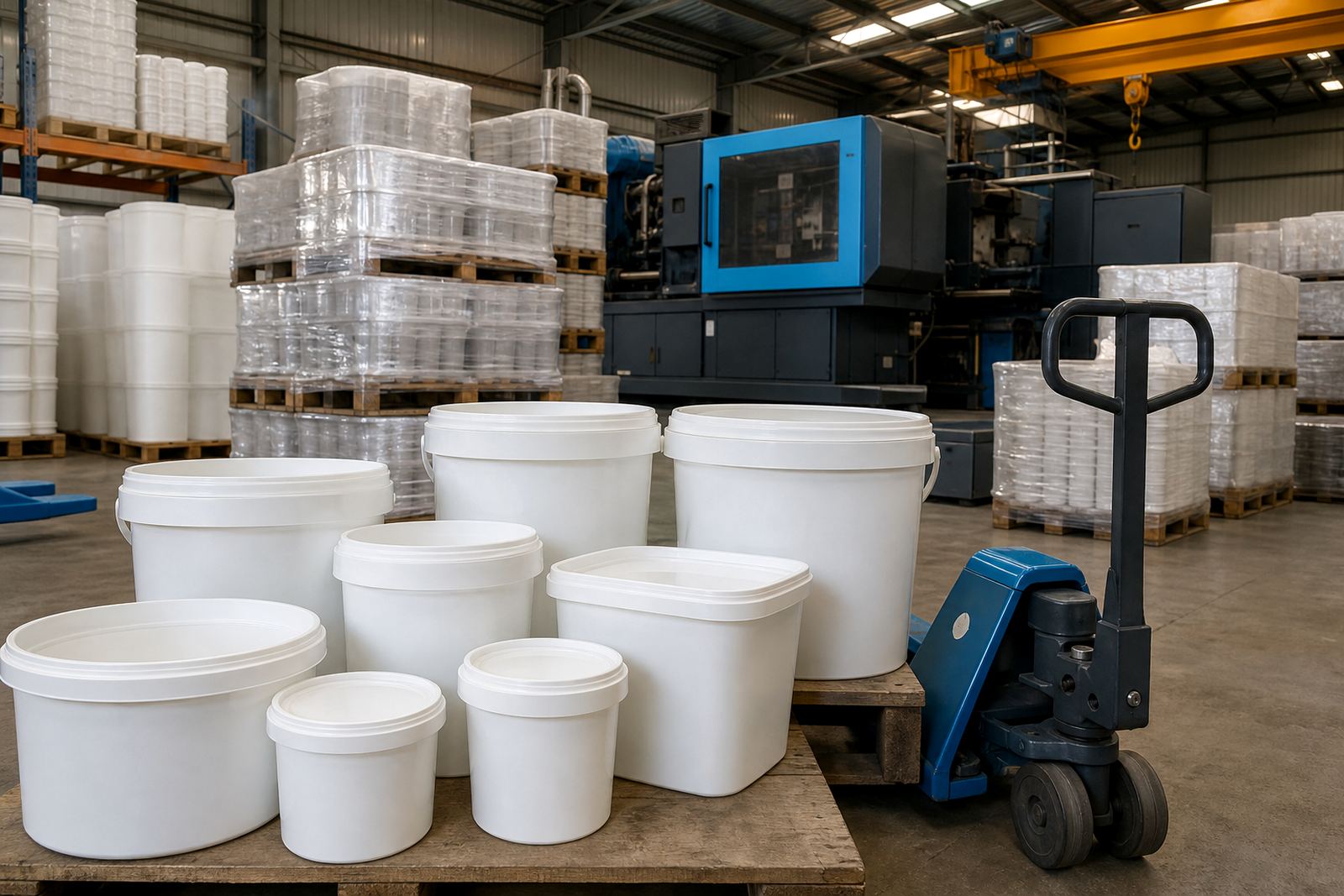
For local packers in Alberton and Germiston, round tubs are also easier to cluster in cartons and on pallets. That helps with handling in busy dispatch areas where every extra movement costs time, and where cartons need to stay square after a long trip to Durban or Cape Town.
Polypropylene and HDPE each suit a different pack
Two common choices for tubs are polypropylene and HDPE. Both are used widely in injection moulding, but they behave differently enough to matter when the fill, lid style and storage conditions change.
Polypropylene is often chosen for its clean look and its useful stiffness in many tub sizes. It is a familiar option for food packers, dry ingredients and many cosmetic applications. HDPE is valued for its impact resistance and its slightly different surface feel, which can suit products that need a firmer pack or a more utilitarian finish.
The final choice is rarely about a single feature. It usually comes down to the product itself, the line speed, the kind of lid needed and how the packed goods will be stored. In coastal areas such as Durban and Port Elizabeth, humidity and handling conditions can also influence the choice of material and closure style.
- Polypropylene for many food and cosmetic tubs
- HDPE for stronger handling and practical storage needs
- Material choice matched to fill weight and pack size
- Surface finish considered for label adhesion and shelf presentation
Lid fit, tamper seals and the packing line
A round tub is only as useful as the closure that goes with it. A lid needs to sit properly, open without trouble and stay secure once the pack is filled and moved into distribution. If the brief includes tamper evidence, the seal design must work with the tub and the production method, not against it.
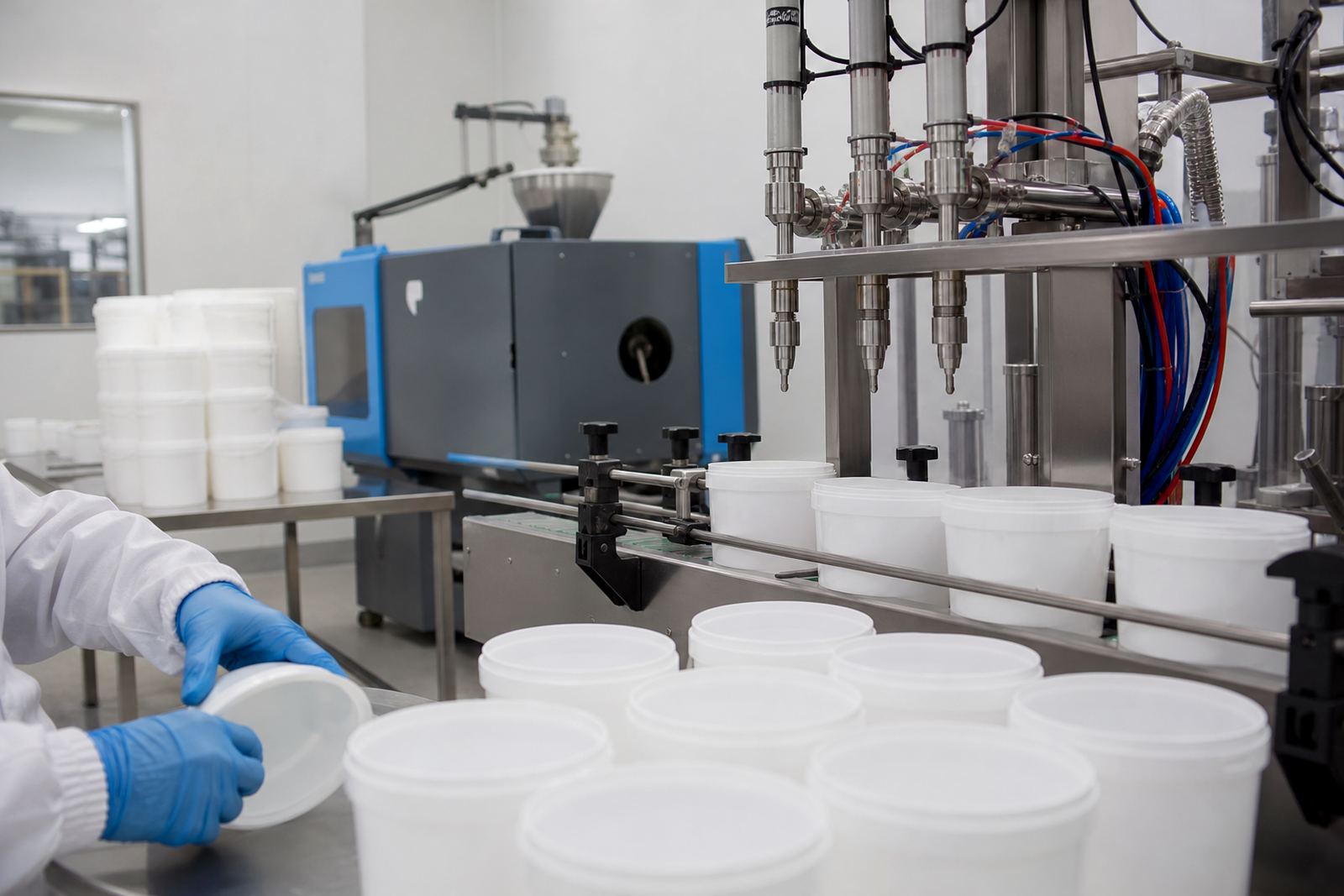
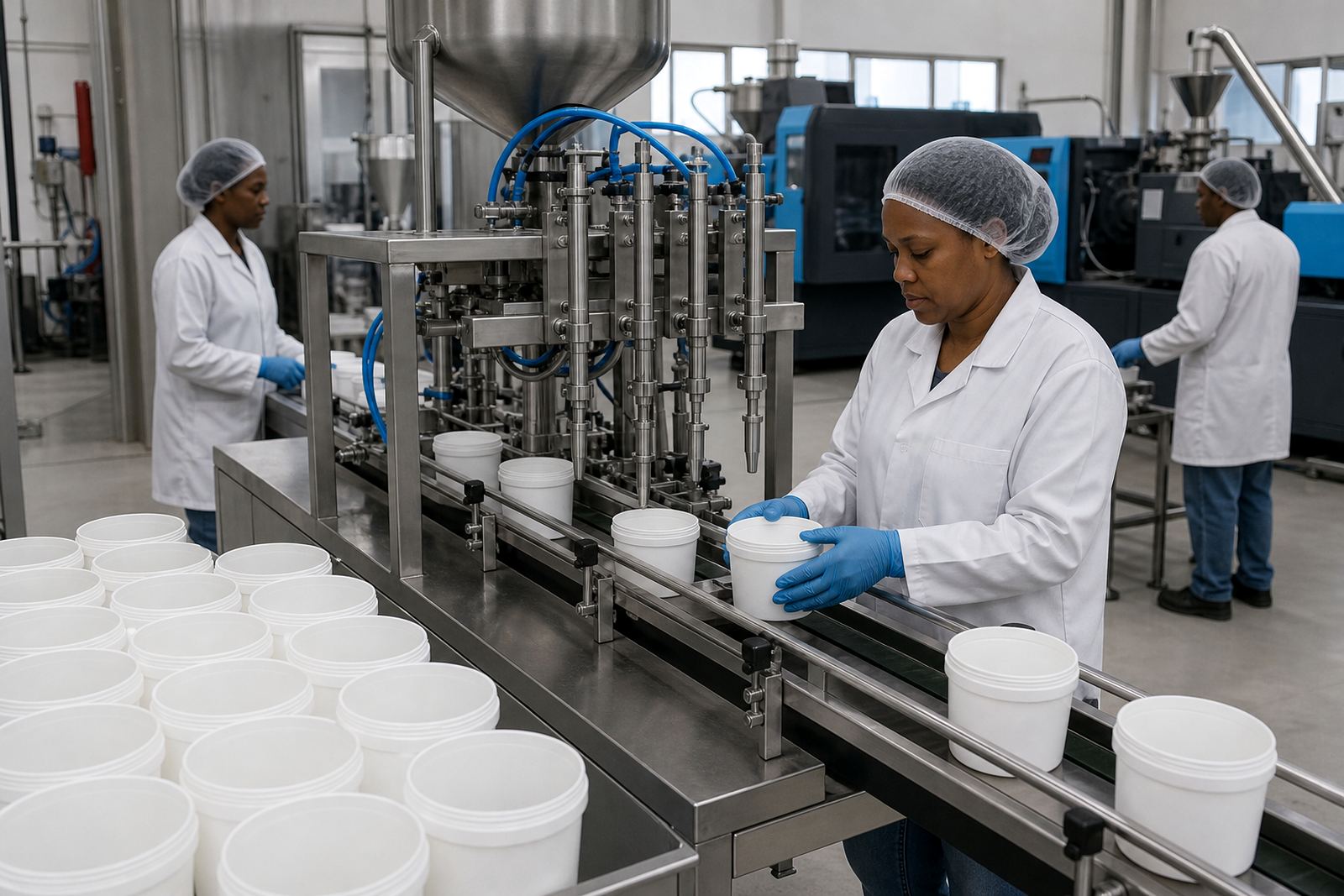
On many packing lines the real test is not the drawing, it is the fill room. Lids need to feed cleanly, tubs need to stand steady and the top finish needs to suit the sealing method if one is used. Small differences in rim shape can affect how the line behaves, especially when staff are dealing with mixed pack sizes in one shift.
- Lid profile matched to the tub rim
- Tamper seal design suited to the product and handling route
- Pack size planned around line output and carton counts
- Trial runs used to spot fit issues before full production
When a packer in Pretoria changes a cream pot from a shallow round tub to a deeper one, the line often needs a fresh check on closure pressure and stacking behaviour. That sort of detail is what keeps the pack from becoming a problem later.
Food, pharmaceutical and cosmetic uses need different details
Round tubs are used across several sectors, but each sector puts pressure on a different part of the pack. Food packers may care most about filling cleanliness, stack stability and the feel of the closure. Pharmaceutical packers often look more closely at consistency, closure integrity and the fit with secondary packing. Cosmetic lines may place more weight on appearance, colour matching and how the finished item sits on a retail shelf.
Material selection is a core part of that process. Food-safe materials are expected where the product requires them, and the pack should be planned around the substance it will hold. A tub for a dry spice blend is not treated the same way as a tub for a gel or a cream, even if both are round and both look simple on a shelf.
Colour can also matter more than many people expect. A plain natural finish may suit one product line, while another may need a tinted body and lid to support the brand look. That choice should be made with the packer, the printer and the filling team in the same conversation, not left to the end.
What local packers usually check before moving ahead
In practice, a round tub project usually turns on a handful of plain questions. They are not glamorous questions, but they decide whether the pack works in a real plant or only on paper.
- What product is going inside the tub
- How much fill weight or volume is needed
- Whether the lid must be plain, tight-fitting or tamper evident
- How the pack will move through the filling line
- How cartons and trays are handled in dispatch
- Whether the pack must suit humid storage or chilled distribution
Once those points are clear, the moulding process can be shaped around them. That may include custom tub design, lid development, mould development and a trial production run to confirm fit. A line fit check can save a packer from the common problem of a good-looking tub that sits badly on the filler.
A Johannesburg example from the packing floor
A small food packer in the Johannesburg south area may need two round tubs for one product family, one for retail units and one for a larger catering size. The first concern is usually how the pack will travel through the line. If the tub rocks, catches or stacks poorly, the team loses time at the filler and again at boxing.
In that sort of job, pack size planning and secondary packing advice matter as much as the mould itself. A 250 ml tub and a 500 ml tub can look closely related, yet their rim height, label area and carton fit can differ enough to change the whole handling pattern. If the product is going out to Durban and Cape Town as well, the transport route needs to be part of the plan too.
That is where practical support helps. A packer does not only need a container, they need a tub that can be filled, closed, stacked and moved with fewer surprises. The finished article should sit naturally in the line and in the carton, with no need for awkward workarounds.
Round tubs that stay useful after the first run
The best round tubs are not only shaped for one launch. They are planned with room for stock run planning, ongoing product updates and the small changes that often happen once a product starts moving through the market. A good tub programme can be adjusted for a different fill weight, a fresh lid colour or a revised tamper seal without forcing the whole line to start over.
That matters for businesses working across Alberton, Boksburg and Germiston, where storage space is often tight and the same facility may carry several pack sizes at once. A practical tub range helps a team keep order in the packing area and reduces the chance of mix-ups.
Round tubs remain popular because they are straightforward, familiar and adaptable. When the material, lid and mould are matched properly, they can serve a food, pharmaceutical or cosmetic pack with less trouble than many more complicated shapes. The form is plain but the outcome can be very specific to the product and the line.