
When the product faces rough handling
HDPE is often the better pick when packs move through busy packing lines, depot transfers and warehouse stacking. The material has a firm feel, carries impact well, and handles knocks better than many lighter plastics used for retail display. That is useful when tubs are loaded, lifted, palletised and moved again before they reach the shelf or the final packer.
For Alrode and the wider Gauteng belt, that kind of handling is not unusual. A tub may leave a filling line in Alberton, move through a distribution yard in Germiston, then sit in a warm delivery vehicle before reaching a plant in Johannesburg. HDPE helps when the pack must stay serviceable through that chain.
- Choose it for products that are stacked often
- Use it where lids must stay aligned after handling
- Prefer it for packs that are opened and closed repeatedly
- Consider it when the pack needs a firmer wall profile
When moisture, oils or cleaning matter
HDPE is widely used where the contents may leave residue on the pack or where the outside of the container may be wiped down during handling. It has a low moisture absorption rate and is a practical material for many food, pharmaceutical and personal care applications. That makes it useful for products that face humid storerooms, kitchen back areas or chilled spaces.
It also suits some cleaning routines better than softer materials that can mark easily. When a pack is being handled in a factory with regular washdowns, staff often want a container that keeps its shape and stays easy to inspect. In coastal routes to Durban or Port Elizabeth, that steady behaviour can be useful in humid conditions too.
- Good for oily or greasy contents that need stable storage
- Useful where the outer surface may be wiped regularly
- Helpful in humid rooms and coastal distribution points
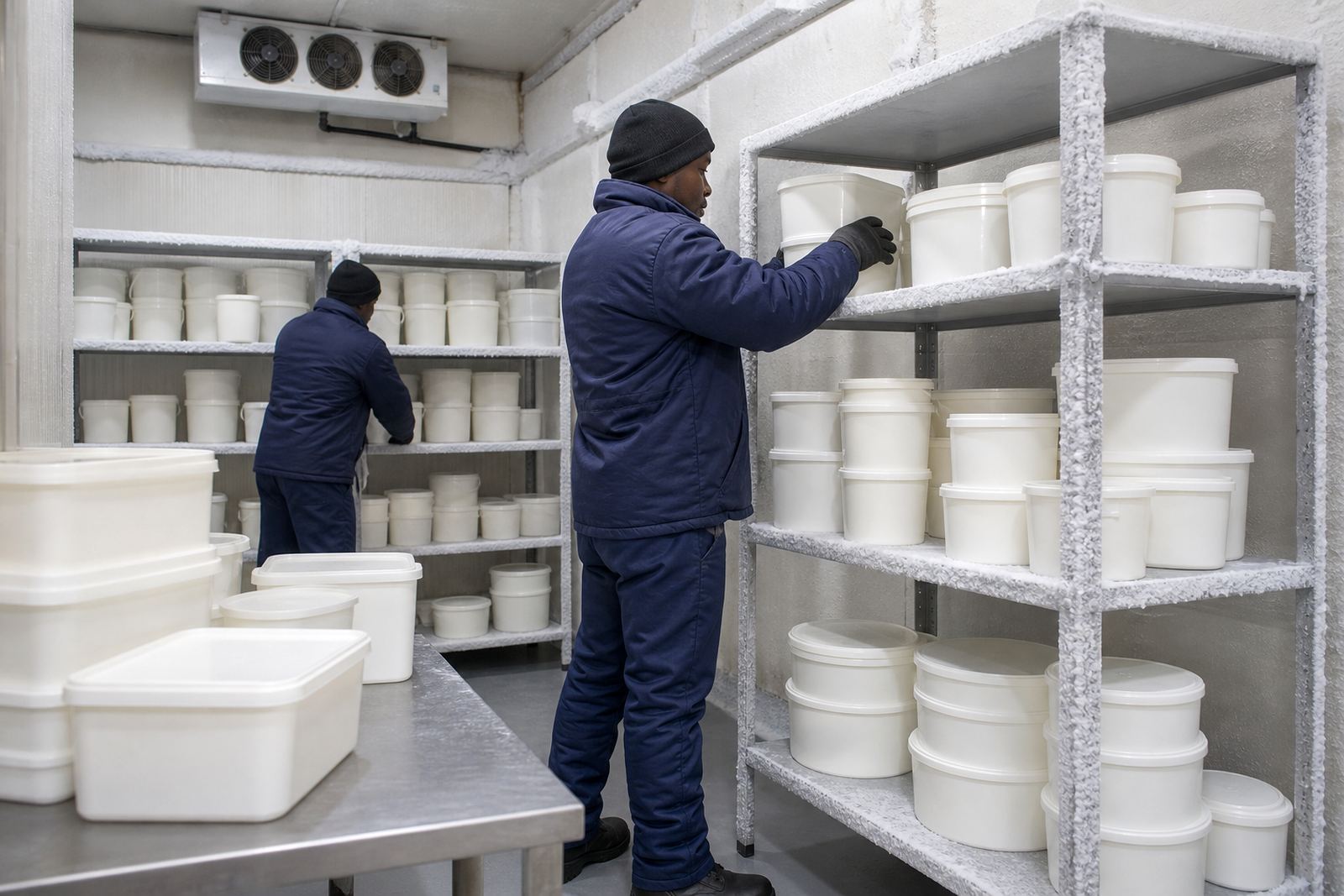
- Suitable for many packs that move between cold and ambient areas
When food-safe pack performance is the main concern
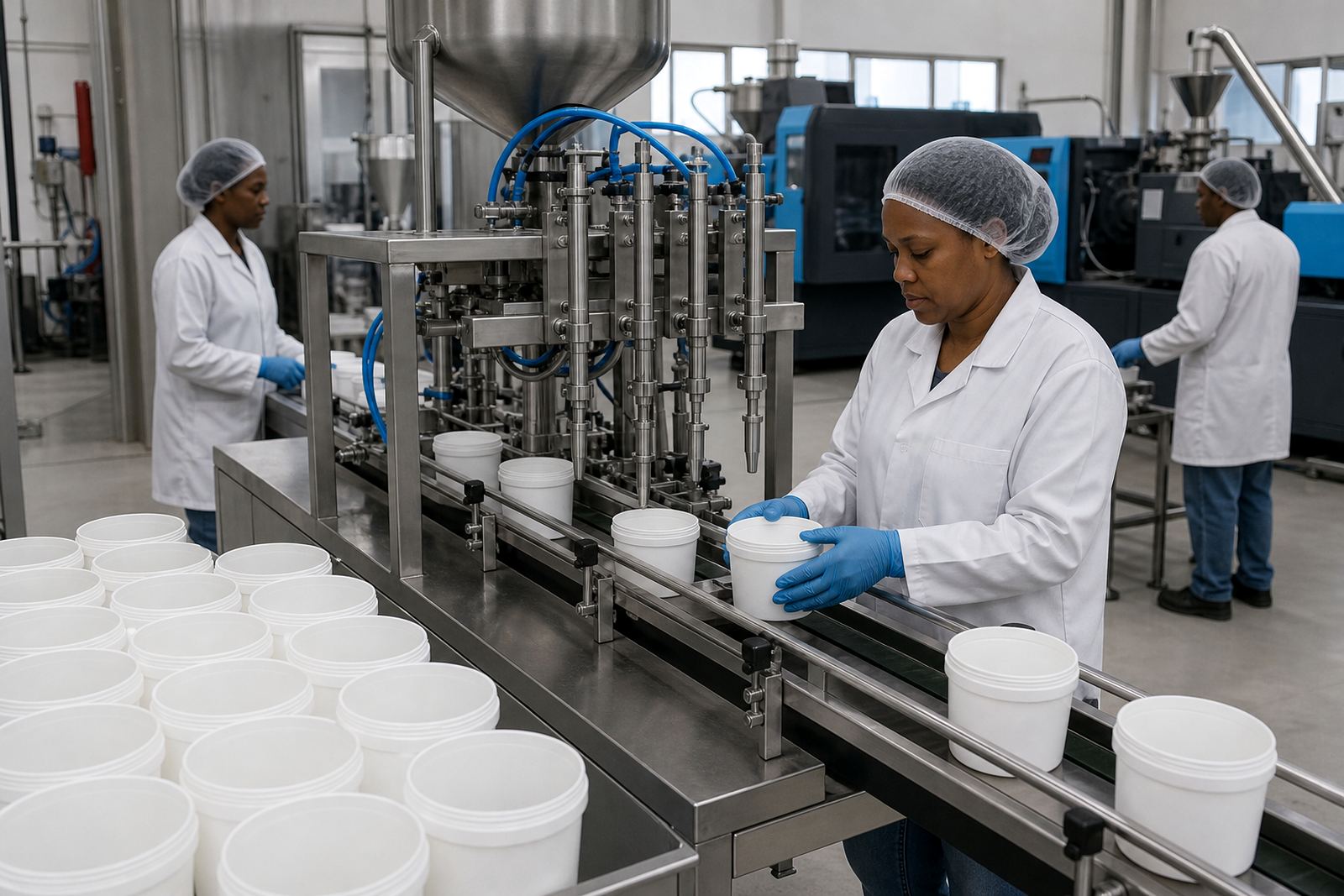
Food packers often look at HDPE when they need practical pack performance and a material that can be matched to a food-safe use. The real question is usually not whether the tub looks fancy, but whether it works with the filling method, the seal, the lid and the storage plan. HDPE is commonly used for dry goods, sauces, spreads, powders and similar products where the pack must close properly and keep its shape.
For food lines, the pack should also sit well with secondary packing and transport cartons. A container that nests properly and stacks with less movement helps the whole line work more cleanly. In a South African packing room, that sort of fit can matter more than people expect.
- Good for dry foods, sauces and powders
- Works well when lids need a firm close
- Can suit tamper seals where the pack style allows it
- Useful where stack stability matters in crates and cartons
When the pack needs a plain, practical look
HDPE is often chosen when the pack must do its job without needing a glossy or highly decorative finish. That can suit in-house packs, refill packs and products that are labelled clearly rather than dressed up with heavy decoration. The surface takes labels in a straightforward way and can be made in different colours where product separation or brand coding is useful.
For cosmetic packing, this can work well for creams, gels and bulk-use products where the container needs to feel clean and dependable. For pharmaceutical packaging, a calm and controlled look is often preferred, and HDPE gives that without drawing attention away from the contents and the label detail.
- Useful for refill lines and back-of-house packs
- Works for colour coded product ranges
- Fits clear labelling and batch identification
- Supports a more restrained shelf appearance
When lid fit and seal control need attention
HDPE becomes a strong option when lid fit, tamper indication and closure behaviour are part of the pack spec. A good container is not just about the body of the tub. The rim, lid profile and seal line all need to suit the way the pack is filled and closed. If the pack travels through a line with manual handling, the closure needs to be forgiving enough to work without constant adjustment.
That is where trial production runs and line fit checks help. A pack that looks fine on paper may behave differently once it meets a real filling head or sealing step. HDPE is often selected because it can be set up for dependable closure performance across a range of tub sizes.
- Useful where lids must lock evenly around the rim
- Can suit tamper-evident features on selected pack styles
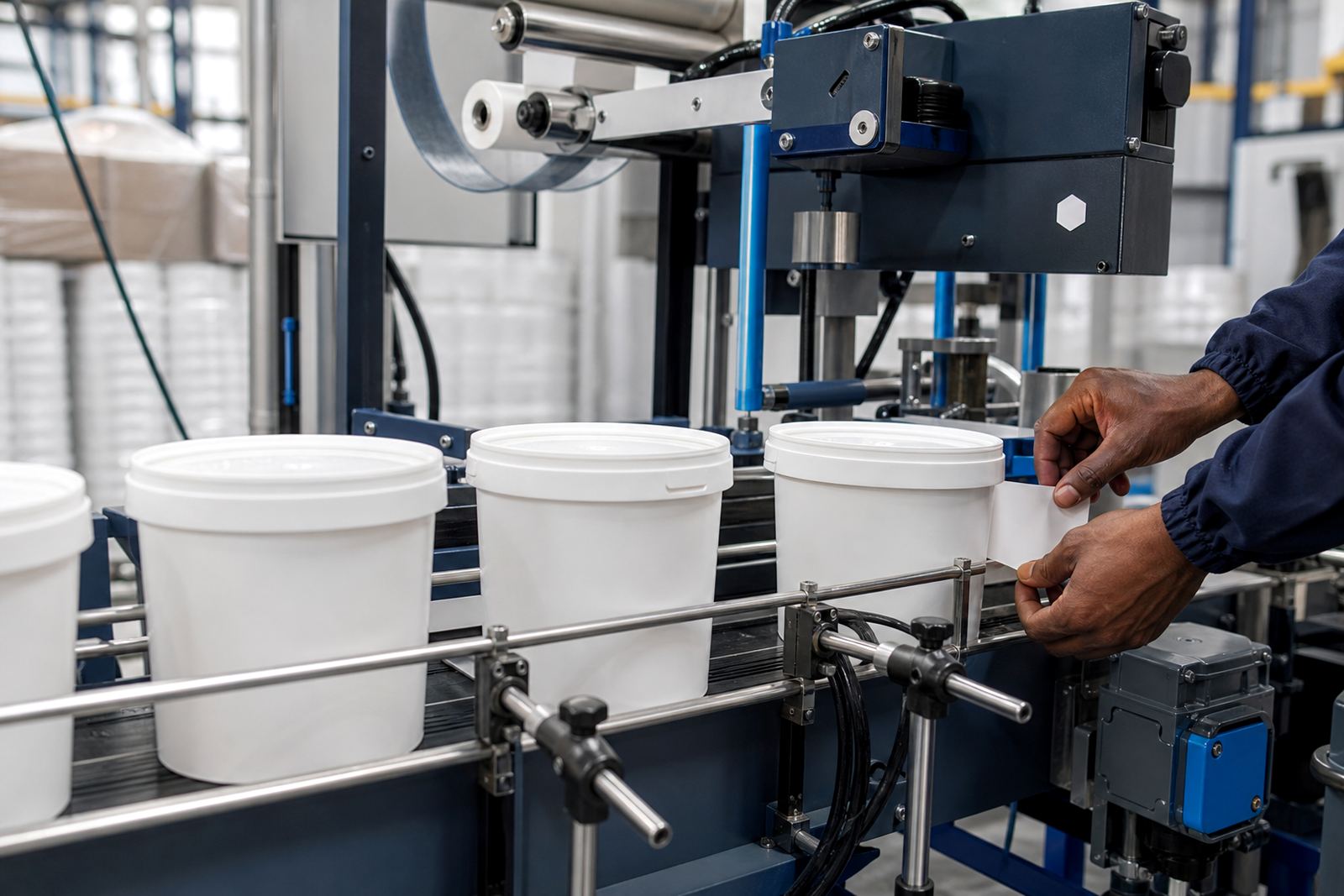
- Practical for packers checking closure by hand and by machine
- Helpful when the same pack must work across several fill sizes
When stock planning needs a steady material choice
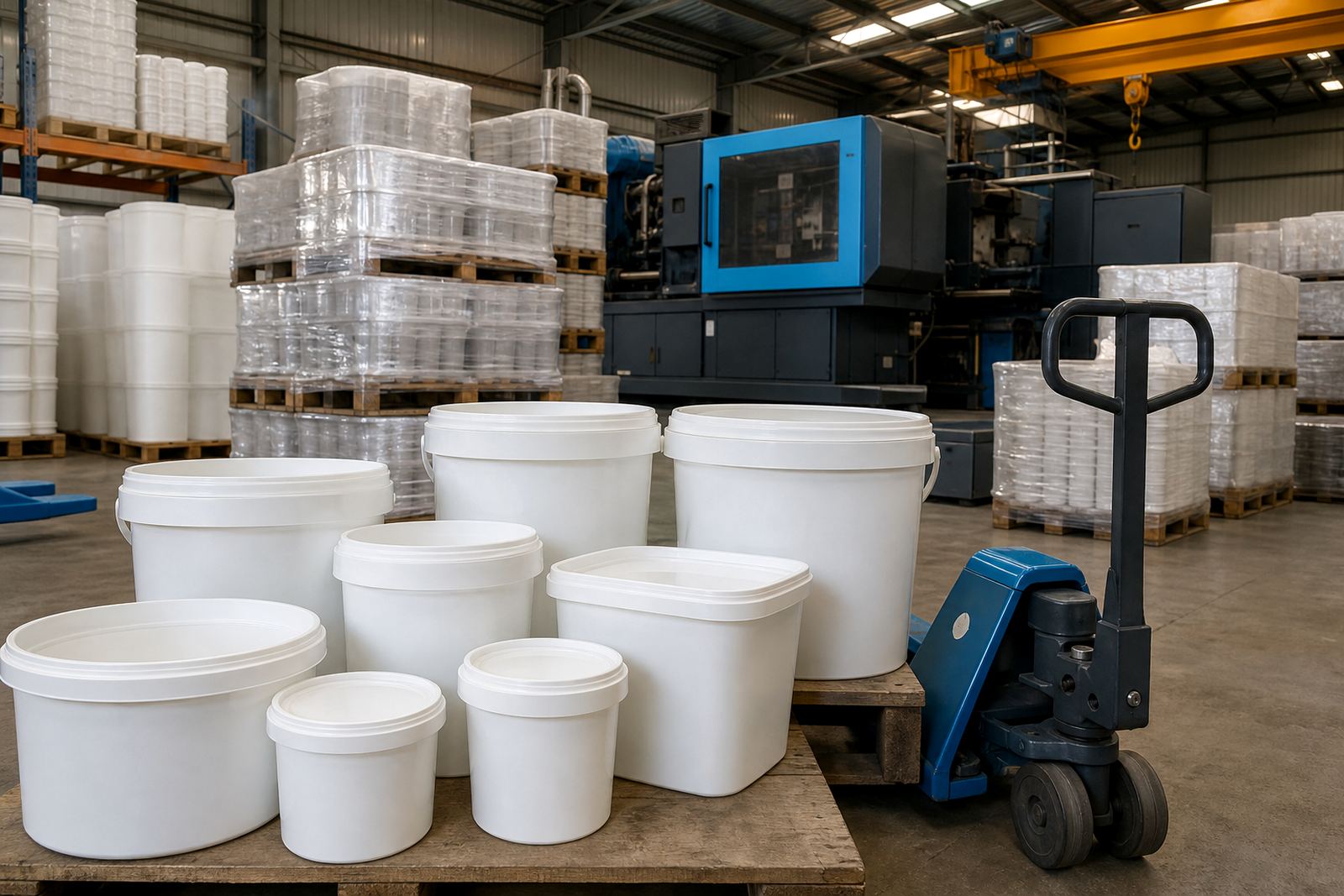
HDPE is a sensible choice when a business wants one material family that can support several pack sizes and product lines. It can be used for small tubs, medium containers and larger storage packs without changing the overall handling feel too much. That helps when a packer wants orderly stock planning and fewer surprises on the packing floor.
A local example is a Johannesburg food packer sending product to Durban, Cape Town and Pretoria. The same basic container family may need to work with different labels, different fill weights and different dispatch routes. In that situation, HDPE can reduce the number of variables the production team must manage. It also helps when stock run planning has to account for seasonal demand and store room space.
For businesses in Alberton, Germiston and Boksburg, the value is often in that consistency. A pack that fills well in Alrode should still behave the same when a second shift runs it, or when the order goes out in a different colour for a separate product line. That is where material selection becomes a practical decision, not just a packaging one.