Why smooth walls matter on the pack line
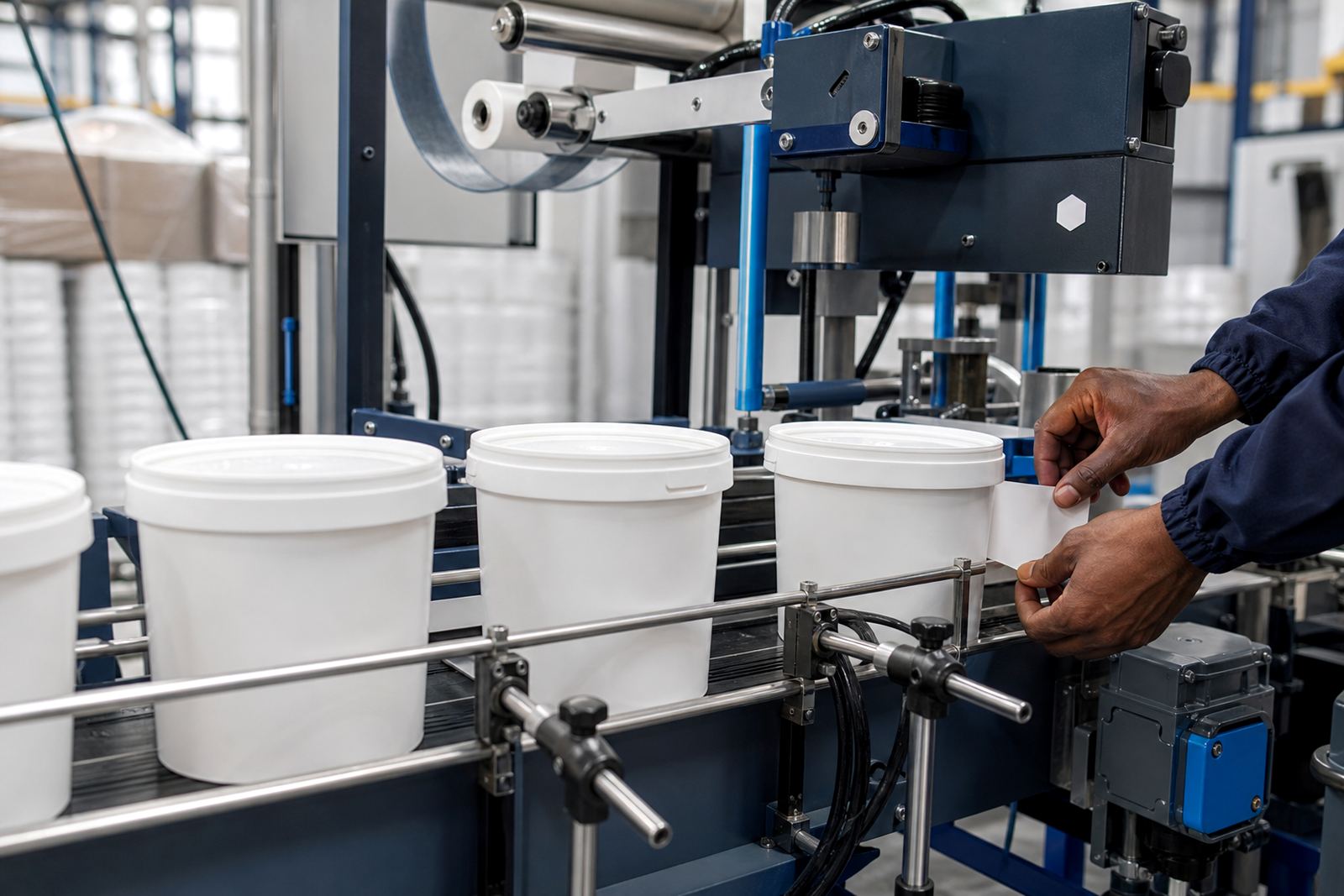
When a tub has a straight, smooth side wall, the label has less chance of lifting at the edges or wrinkling around a curve. That matters on fast packing lines where operators need labels to sit cleanly the first time, especially on polypropylene and HDPE containers used for spreads, powders, creams and tablets. A smooth wall also gives a steadier surface for printed sleeves, pressure-sensitive labels and tamper evident seals that wrap across the rim.
In practice, the difference shows up in the finished pack. Text reads more clearly, the panel looks neater, and there is less patchy shine where the adhesive has had to bridge an uneven surface. For Alrode packers supplying stores in Johannesburg or Durban, that consistency can help a shelf run look orderly even when the product sizes vary.
What makes a label sit properly on smooth-sided tubs
Label performance starts with the container shape. A straight wall gives the adhesive a larger contact area and reduces the need for the label to fight against moulded ribs or heavy taper. That is useful on tubs used for food packaging, pharmaceutical samples and cosmetic creams, where the label often carries batch details, ingredient lists or handling notes.
- Keep wall taper modest where the label panel sits.
- Allow enough flat space for the full label height.
- Set rim height and shoulder shape to suit the seal.
- Check whether the label must bridge the lid line.
- Match the label material to the tub finish and handling.
A small change in wall profile can alter how the label behaves under pressure, heat and pallet movement. If the side wall has texture or curvature, the label may look fine at packing but start to lift during transport or after cool room storage.
Material choices that support cleaner presentation
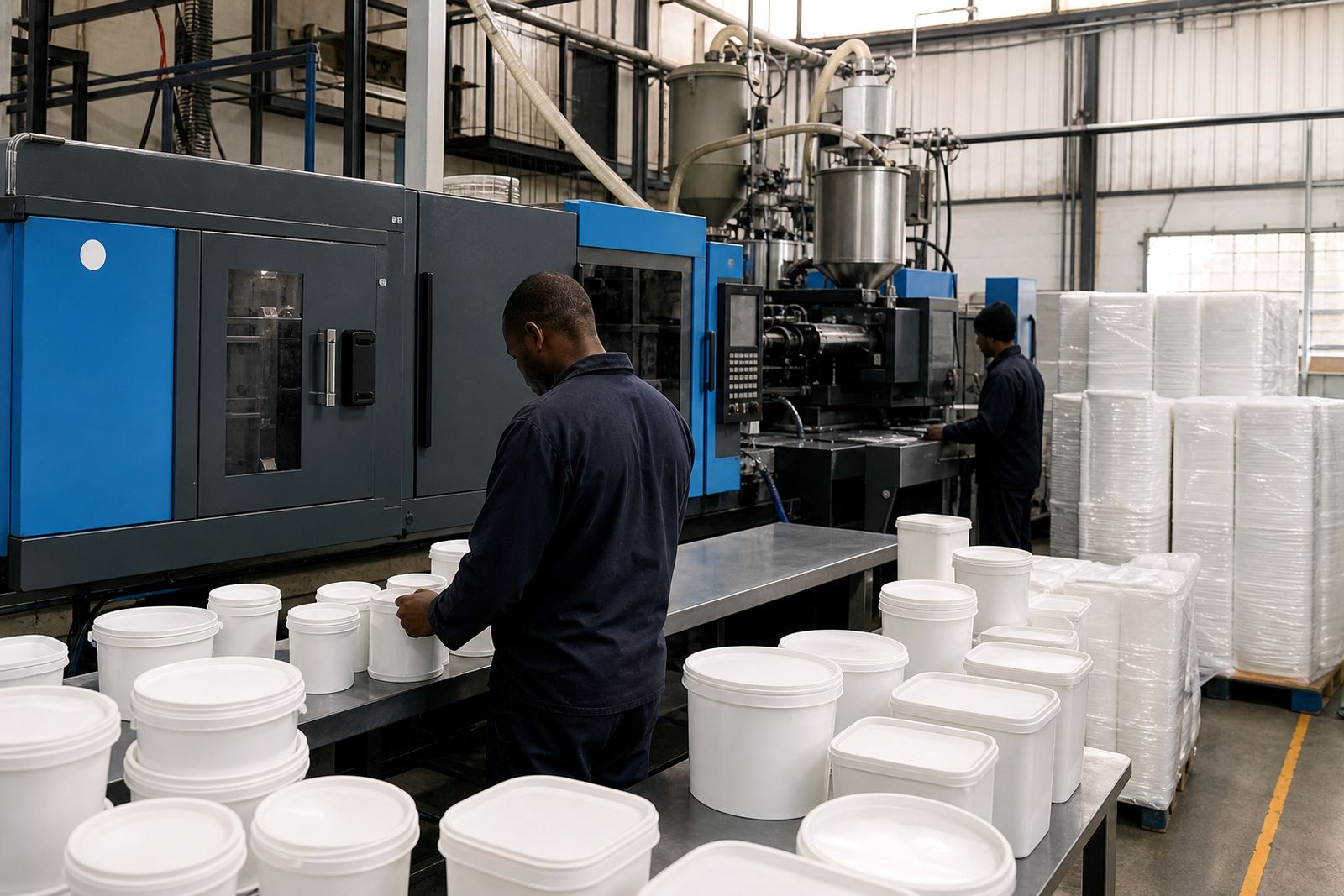
Polypropylene and HDPE are both widely used for injection-moulded tubs because they can be shaped into clean, repeatable forms with good wall control. Polypropylene is often selected for dry goods and many food applications, while HDPE is common where tougher handling or chemical resistance is needed. The right choice depends on the product, the cap or lid style and the way the pack will move through the filling line.
Food-safe materials are important for packs that hold edible goods, but the surface finish still has to suit the label. A glossy wall can help print stand out, though it may need careful adhesive selection. A matte wall can hide minor scuffs, yet it still needs enough flatness to keep the label crisp. The balance between appearance and handling is where mould design earns its keep.
- Gloss can improve print contrast on clear graphics.
- Matte finishes hide small marks from handling.
- Stable wall thickness helps the label stay level.
- Colour matching can support brand blocks on shelf.
- Trial runs show how the adhesive reacts in real packing.
Lids, tamper seals and the label edge
The label does not work alone. It has to meet the lid, the tamper seal and the rim in a way that still looks orderly after the pack has been opened and closed. On tubs with smooth walls, the label can be set lower or higher with more confidence because the side panel does not change shape suddenly. That helps when a tamper seal crosses onto the tub body and needs a clean landing point.
For food and pharmaceutical lines, the edge of the label often carries the most important information. Batch codes, product names and use instructions should remain readable after chilling, stacking or transport. If the tub wall is too soft or uneven, the label can distort around the rim and make the pack look untidy. A steady moulded surface protects the appearance and the practical side of the pack.
Planning label space before tooling is cut
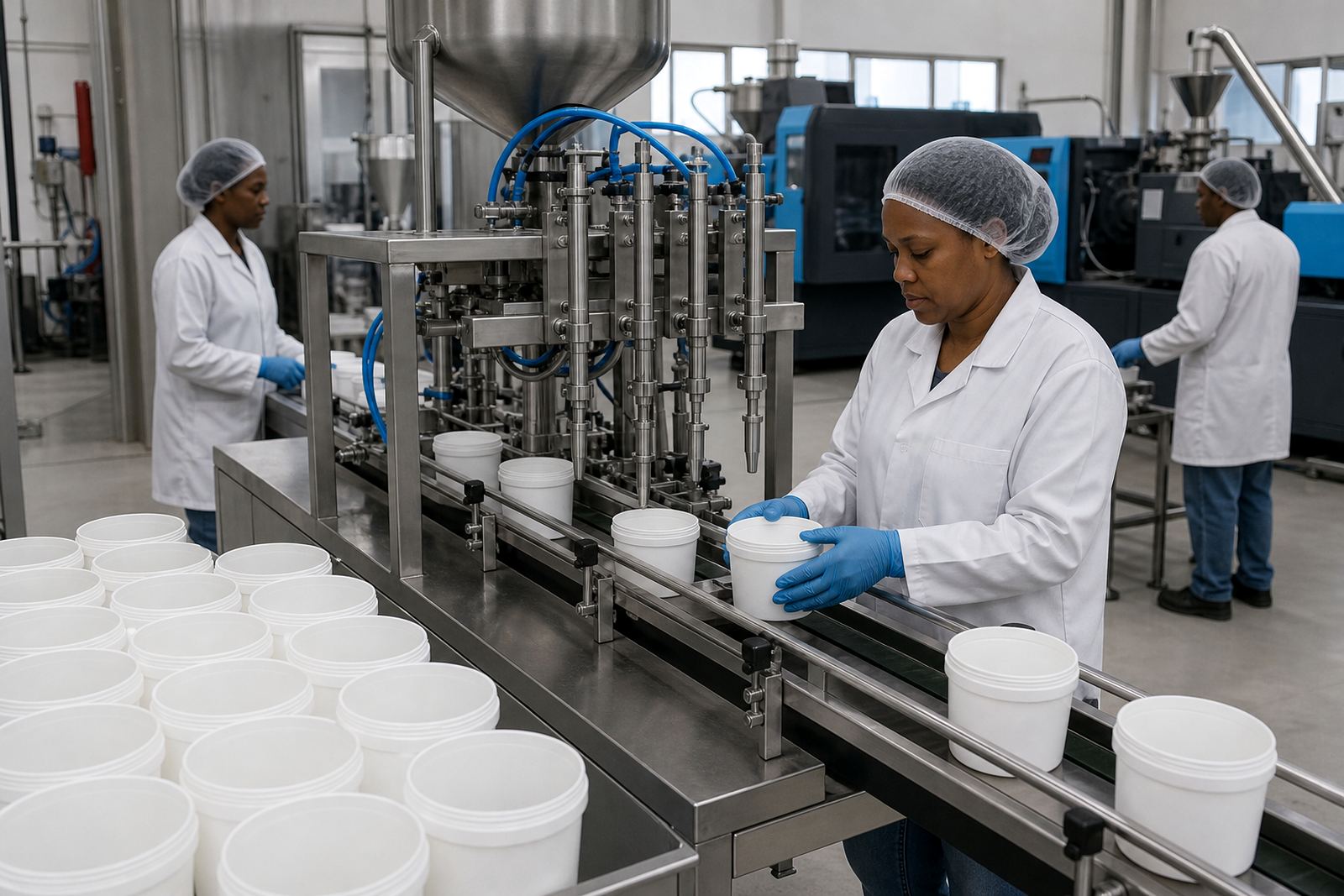
Good label placement starts before mould development is signed off. The packer needs to know how wide the label panel should be, how much vertical space is needed for branding and whether the design must carry a barcode, ingredients and a tamper message on the same face. That is where line fit checks and trial production runs become useful, because the pack has to suit the packing line not just the artwork.
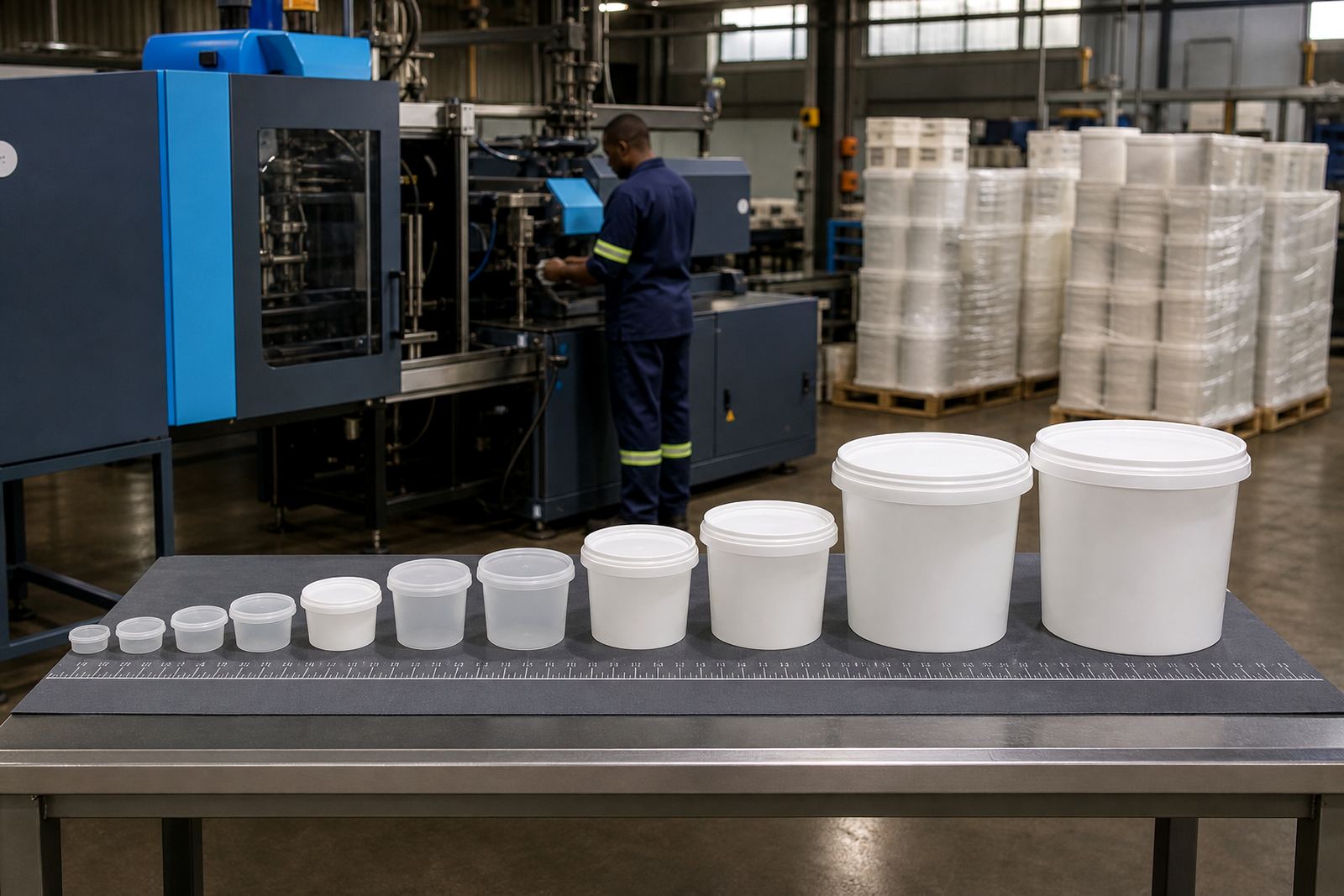
For a cosmetic packer in Pretoria, for example, a smooth-sided 250 ml tub may need a narrow label panel to keep the front tidy, while a 500 ml food tub in Cape Town may need more room for product details and storage notes. The same mould logic will not suit every product, so the tub and the label should be planned together.
- Measure the live label area, not the whole circumference.
- Check how the lid shoulder affects label height.
- Allow for hand application and machine application.
- Test label wrap where the seam will sit.
- Review pack size planning alongside pallet layout.
A local example from Alrode packing rooms
A packer in Alrode handling food tubs for Johannesburg stores wanted a cleaner look on a white tub with a front label and a small tamper seal. The first sample had a slight taper and the label wanted to drift to one side during application. After the wall profile was adjusted and the label zone was made flatter, the packs stacked neater and the front panel held its shape better through dispatch. Nothing dramatic changed, just a better surface for the label to do its job.
That kind of change matters across South Africa where goods travel far and are handled more than once. A smooth-sided container can help the pack look sharp when it leaves Alberton and still look presentable when it lands in Durban, Port Elizabeth or Cape Town. For product teams, the point is not decoration alone. It is keeping the pack readable, tidy and consistent from the filling table to the shop shelf.
What smoother side walls solve on real orders
When the side wall is controlled properly, the labelling step becomes steadier and the final pack looks more deliberate. That reduces rework, limits waste from bad label placement and keeps the brand panel easier to read. It also helps where stock run planning needs several pack sizes to share the same label family with only minor artwork changes.
- Cleaner label alignment on straight panels.
- Better shelf appearance across mixed batch runs.
- Less lifting at the edges of pressure labels.
- Improved seal placement across the rim line.
- More consistent presentation in bulk packing and retail packs.
For packers working with food, pharmaceutical or cosmetic products, smooth walls are not a luxury detail. They are part of how the container supports the label, the lid and the final appearance. Get that surface right and the rest of the pack has a much better chance of looking the way it should.