Sequencing the moulds before the warehouse feels it
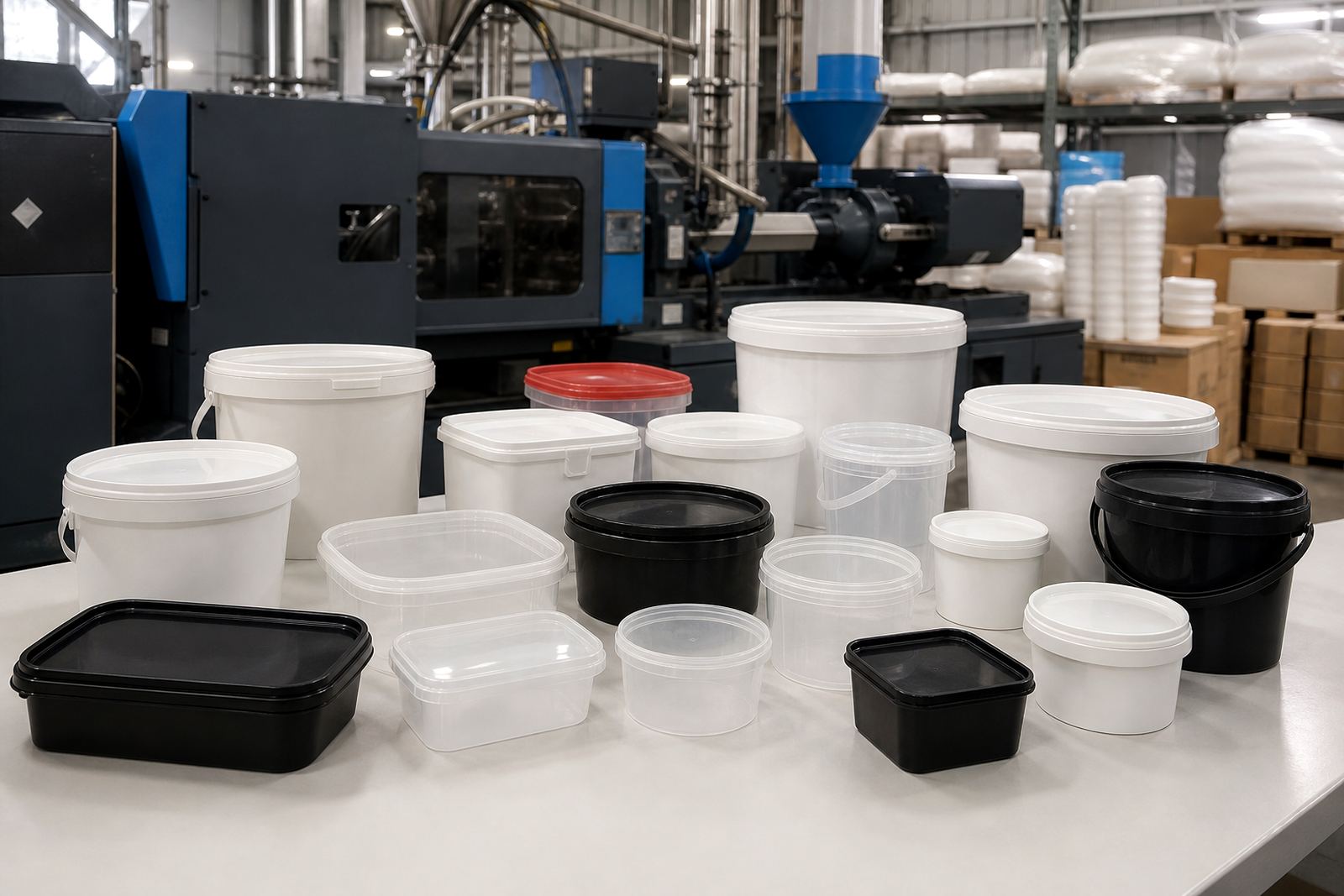
A sensible run plan starts with the mould list, not the dispatch note. When a plant in Alrode has several container sizes on the books, the sequence has to account for colour, resin type, wall thickness and the lid that belongs with each body. If the order of production is wrong, the floor spends extra time cleaning, setting and checking, and that slows the packing line down. It also raises the risk of a mixed pallet or a label that lands on the wrong size.
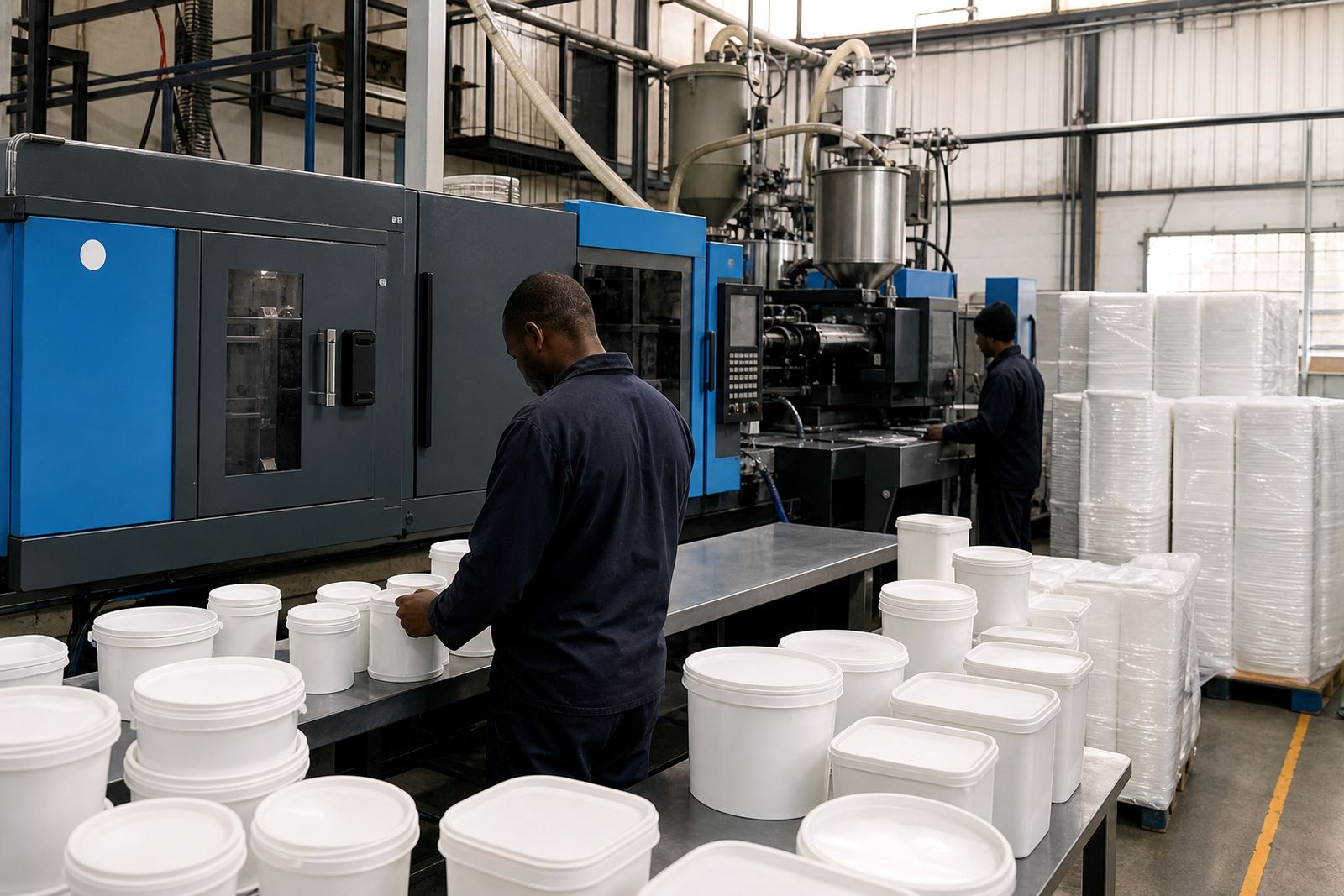
Injection moulding works best when repeat jobs are grouped in a practical order. A simple change from one polypropylene tub to another may still need tool changes, material checks and fresh inspection at start-up. If the schedule jumps between a clear jar, a coloured tub and then a tamper seal component, the crew has to reset more often and the output gets lopsided. That sort of stop-start rhythm is hard on stock control, and harder on dispatch.
How line fit checks shape the run plan
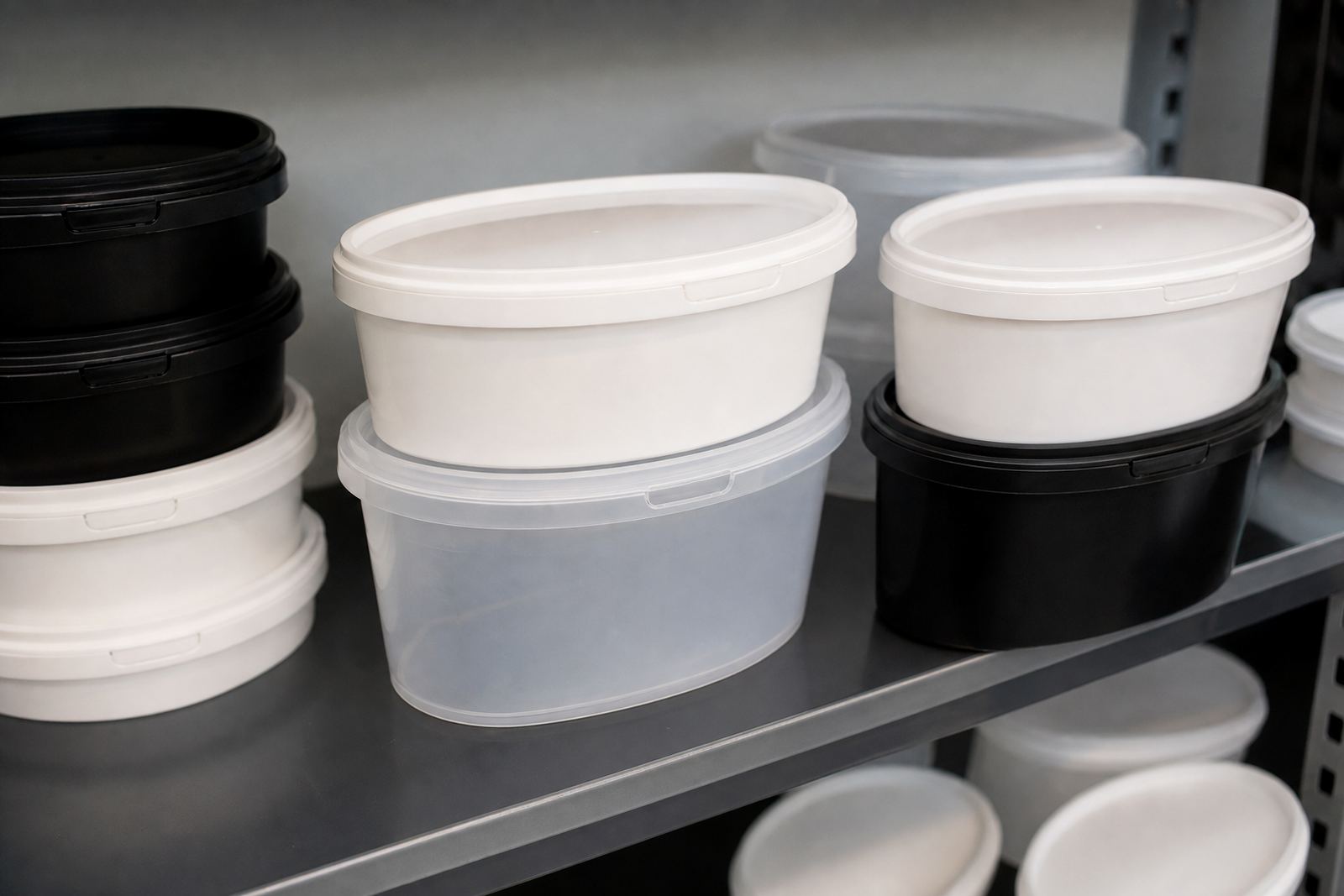
Run planning is not only about making a container that looks right on paper. It also has to fit the filling line, capping process and secondary packing steps. A tub that stacks too tightly may slow the feeder. A lid that bites too hard can create wear on the closing heads. A seal band that sits proud might catch during bagging or bundling. These are small issues, but they show up fast when a packer is running a full shift.
That is why line fit checks belong inside the production plan from the start. The first trial should show whether the container feeds cleanly, nests properly and holds shape after filling. When a Johannesburg cosmetic packer changes from a lightweight pot to a deeper jar, the run plan should allow for a short trial and a quick check of the lid fit before the full batch is released. It saves waste, and it keeps the packing line from stalling over a detail that should have been caught earlier.
- Match the tub neck finish to the lid profile.
- Check nesting depth before the full run starts.
- Confirm pallet height against the packing line feed.
- Review whether the tamper seal tears cleanly under pressure.
Material choice changes the order of production
Polypropylene and HDPE behave differently in production, so they should not be treated as the same job. Polypropylene is often used for tubs that need stiffness and neat stackability, while HDPE is often selected where toughness and a bit more flex are useful. The resin choice affects mould settings, cooling time and how the finished container sits in the carton. If the production run ignores those differences, stock can look fine in the yard but behave badly on the line.
Food-safe applications need extra care around material selection, especially where the container will hold powders, creams or oily product. The run plan must keep colour, material and intended use aligned. A cosmetic packer in Pretoria may need a clear or lightly tinted tub for shelf presentation, while a pharma packer in Cape Town may want a plain, functional container that supports clean presentation and controlled handling. The practical point is simple: one resin does not suit every packing line, and not every mould should be pushed through in the same order.
Short runs, stock runs and the space between them
Not every customer needs a long production stretch. Some need a short run to cover a promotion, a seasonal pack or a change in filling size. Others need a stock run that keeps enough tubs and lids on hand for steady dispatch. The planning challenge is to balance both without filling the warehouse with the wrong mix. In a place like Alberton, where storage space can be tight and dispatch windows matter, poor sequencing soon shows up as mixed pallets and awkward counting.
A clear run plan helps with the rhythm between production and packing. It allows the factory to group like items, such as one lid family or one tub height, then move to the next with less interruption. That matters for secondary packing too, because cartons, sleeves and pallet patterns need to match the product count. When the sequence is planned properly, the team is not trying to solve three packaging problems at once.
- Group similar tub depths together.
- Keep matching lids and seals in the same production block.
- Separate trial runs from full stock runs.
- Leave room for inspection before palletising.
Colour matching without disrupting the floor
Colour changes need more discipline than many people expect. A natural or white container may be straightforward, but a tinted tub can hold residue in the machine if the changeover is rushed. That residue affects the next batch and can alter the appearance of food, pharmaceutical or cosmetic packaging. A good run plan avoids back and forth colour changes unless there is a strong reason for them.
For a Durban customer packing sauces into wide-mouth tubs, the sequence may start with neutral stock for base volumes, then move to a colour match for a promotional line, and only after that to a different lid style. That order reduces waste and keeps the product looking consistent across the pallet. It also gives the production manager space to monitor the first pieces properly instead of chasing every new setting at once. There is no need for drama, just a steady order that the floor can live with.
Dispatch planning keeps the run honest
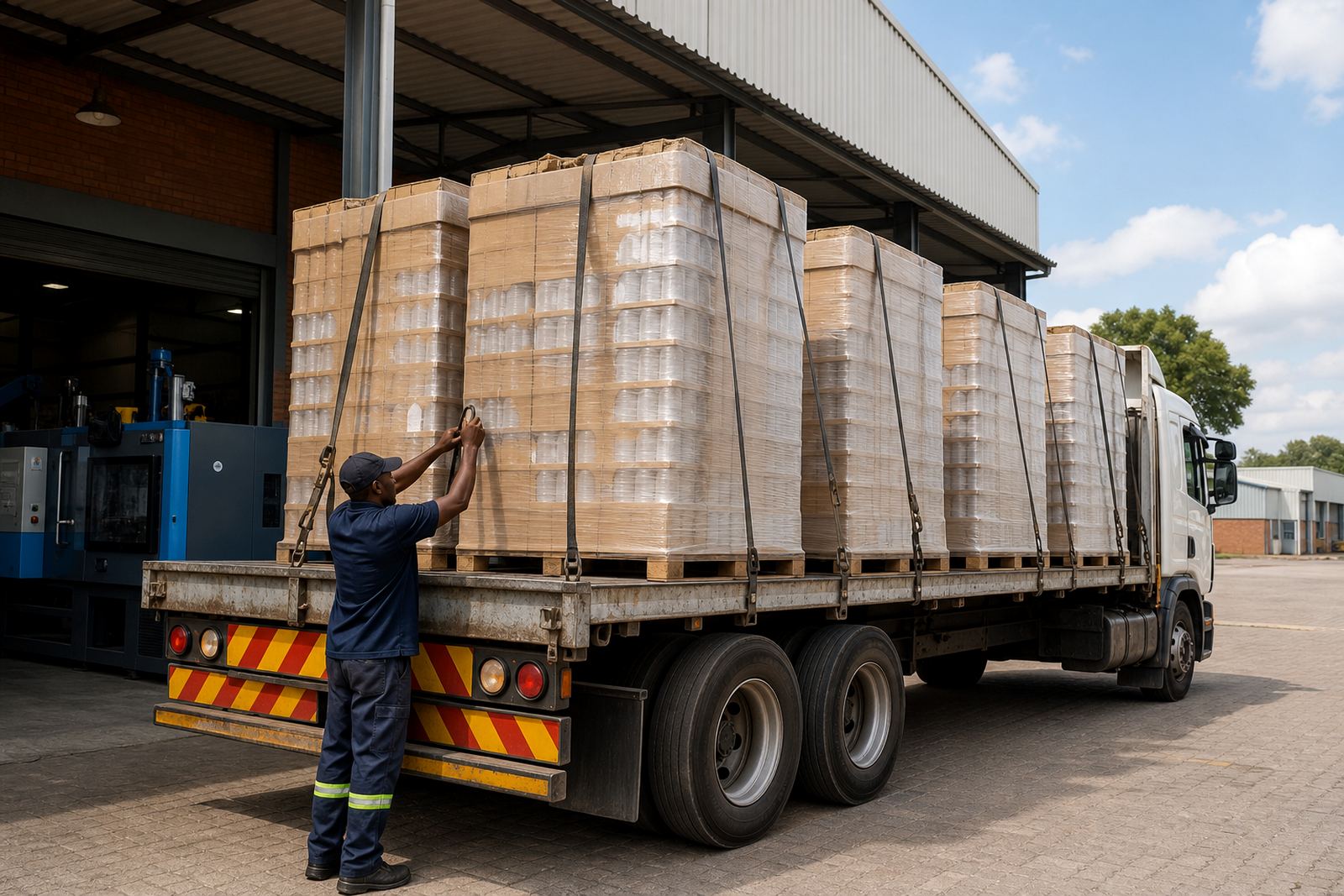
Production planning only works when dispatch can move the finished goods without confusion. If the run schedule says one thing and the transport order says another, stock gets split, repacked or held back for no good reason. That is where clear markings, batch records and pallet notes become part of the run itself. The team in dispatch needs to know what is ready, what is still in inspection and what must stay together until delivery.
At Plastic Factory, production run planning is treated as part of the full packaging process, not a side task. Thabo Letsoalo oversees the bigger picture, while Johan Kekana watches the moulding floor, Ayesha Oosthuizen handles the quality checks and Sibusiso Hartnick keeps the dispatch side orderly. That structure matters when a client in Port Elizabeth needs a mix of tubs and lids across more than one pack size. The right sequence keeps the line moving and the pallets usable.
A practical example from a mixed packaging schedule
Picture a cosmetic packer in Germiston with three needs on the same month: a small polypropylene tub for cream, a larger HDPE tub for body care, and a tamper seal for a promotional pack. If all three are pushed into production without sequence, the result can be extra changeovers, uneven stock and cartons waiting for the wrong lid. A better plan starts with the tub family that needs the longest setup, then moves to the closest match in material and finish, and only then finishes with the smaller run that can be packed and released quickly.
That way, the production line works in a useful order and the stockroom is not forced to sort out preventable confusion later. It is a plain method, but it suits South African packers who need dependable supply and practical handling more than fancy talk. Run sequencing may not look exciting, yet it decides whether a container order supports the week or disrupts it.