Why an empty tub still takes real money on the floor
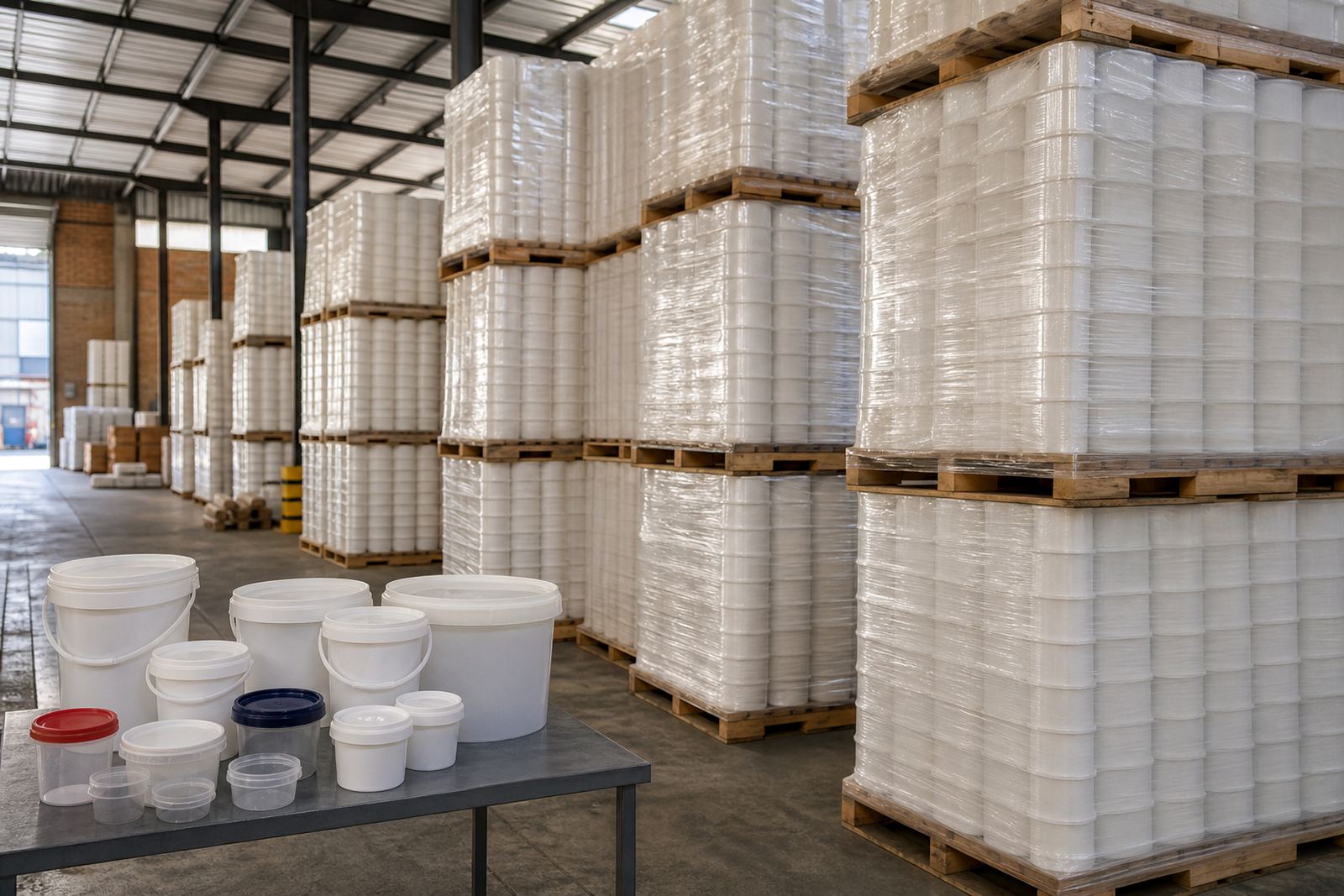
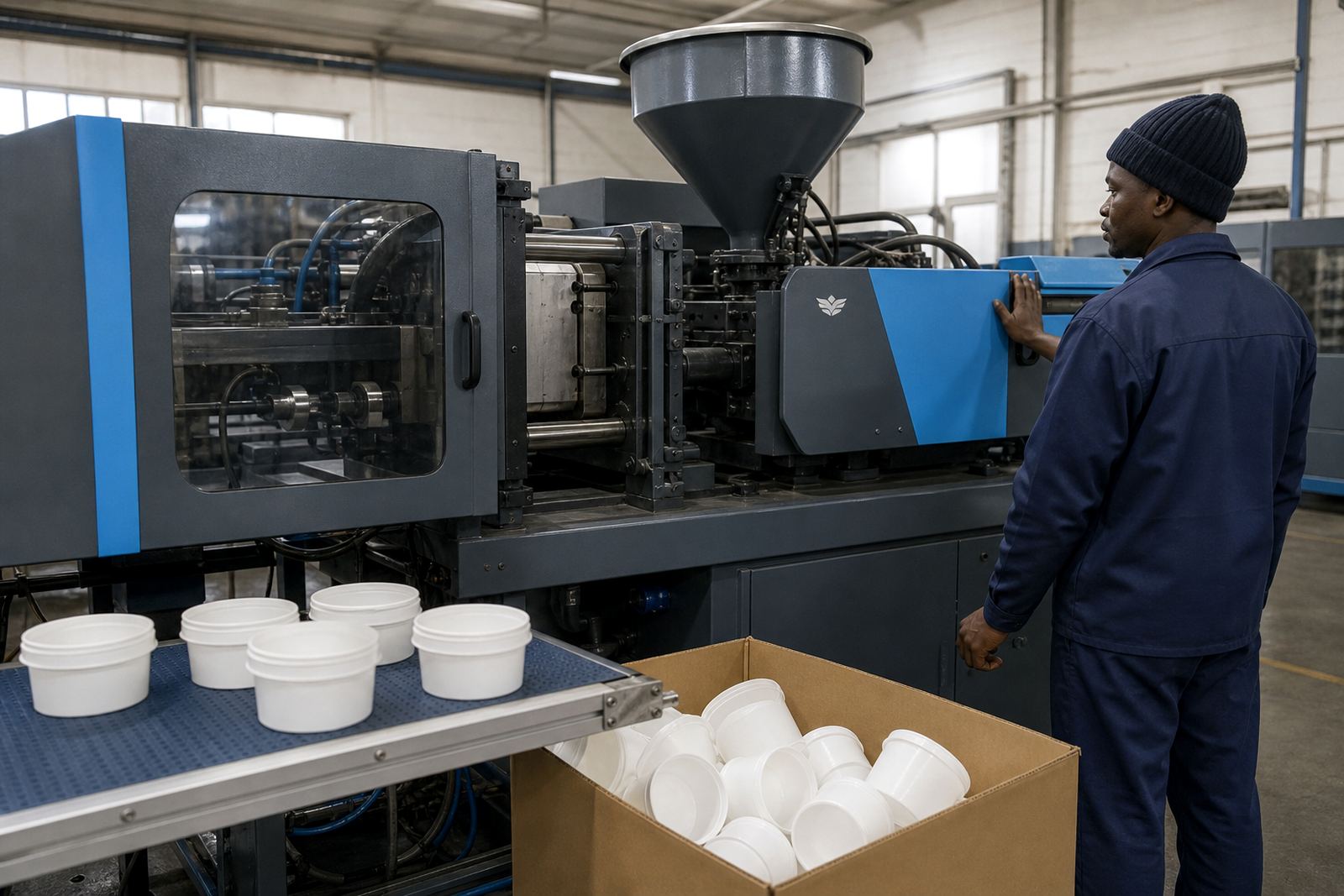
When tubs leave the moulding line, the work is not finished. The way they nest, stack and sit on a pallet affects storage height, freight load, and how easily staff can pull stock for filling. In Alrode and other busy industrial areas, space is usually tight, so a loose stack can slow down a clean packing area very quickly.
For food, pharmaceutical and cosmetic packers, empty containers also need to stay clean and upright during storage. A stack that shifts during transport can scuff the rim, deform the side wall, or make the lid fit less consistent. That becomes a problem later, especially when the line is running fast and operators are closing packs by hand or on semi-automatic equipment.
How nesting works with polypropylene and HDPE tubs
Injection moulded tubs are formed to hold the same profile from run to run, which supports neat nesting. Polypropylene tubs usually give a lighter feel and a tidy stack form for many dry goods and light dairy packs. HDPE containers are often selected where toughness, grip and a firmer wall feel matter more. Both materials can be set up for efficient stacking, but the rim detail and taper angle must suit the filling line and the planned pack size.
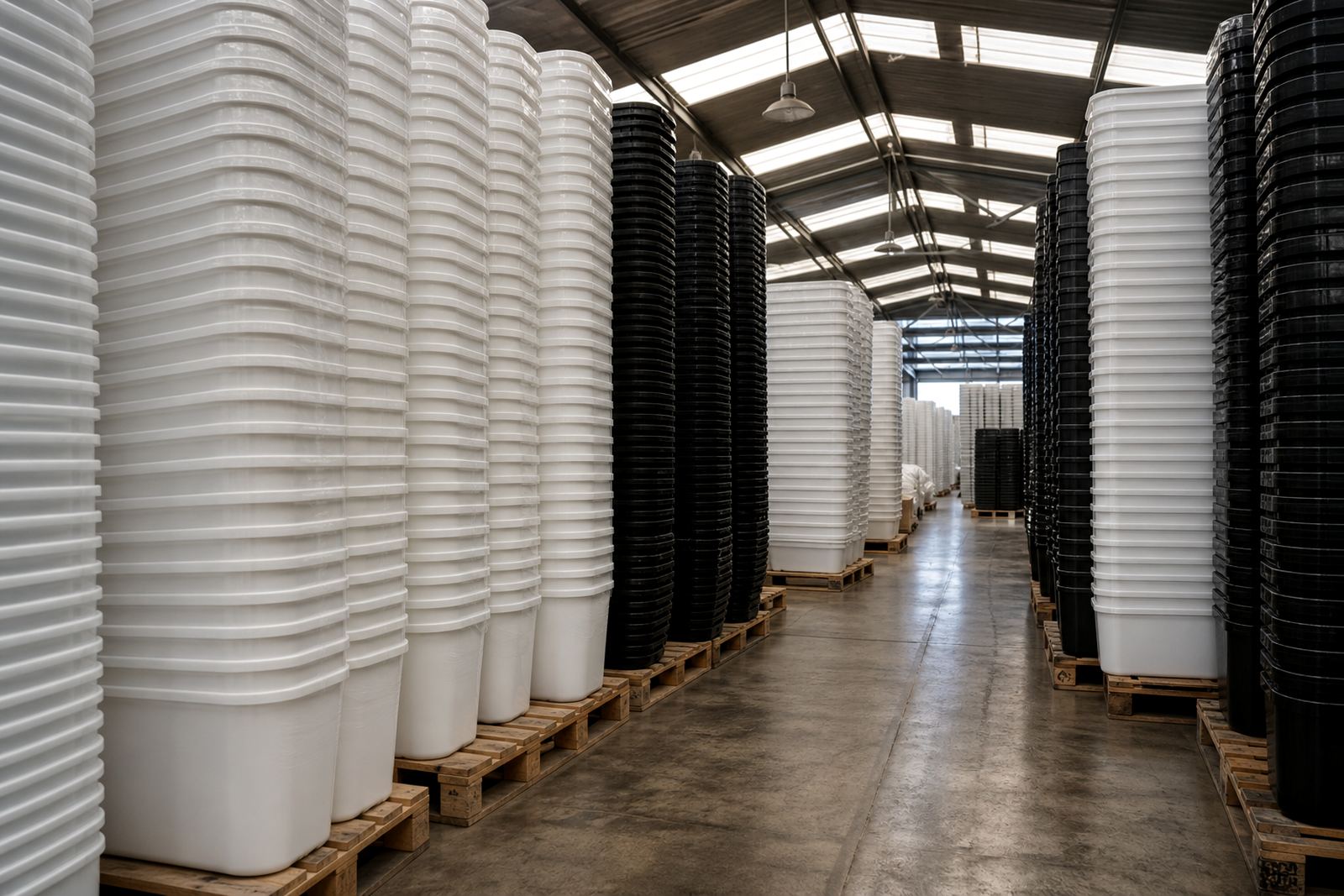
A good nesting design keeps the tubs aligned without locking them so tightly that staff need to tug at each one. Too much grip in the stack can slow sorting, while too little grip can let the pile drift sideways on a pallet. That balance matters in warehouses that move goods from Alberton to Durban or Cape Town, where freight handling can be rougher than people expect.
Stack stability starts with the rim, the lid and the pallet
Stacking empty tubs is not only about the container body. The rim profile, lid fit and pallet pattern all play a part. A lid that sits loosely during storage can let dust in and makes top layers slip. A lid that locks too tightly can be awkward on the filling line, especially when operators are working through long shifts and need a steady packing rhythm.
- Check that the tub shoulder sits flat on the layer below.
- Use a pallet pattern that keeps the corners supported.
- Keep the stack height within what the wrap can hold safely.
- Match tub, lid and tamper seal design to the same pack line.
In many plants, the safe stack is the one that can be moved by forklift, stored under a mezzanine, and lifted again without the top row leaning. That sounds basic, yet it is where many packaging losses start.
What a packing line notices before anyone else does
Packing teams notice practical details long before they become office problems. If tubs nest too deeply, staff may spend extra time separating them before filling. If the side wall flexes, the lid press may leave a poor seal line. If the stack has too much sway, operators lose time straightening it before the next run.
Those small delays add up in any factory that packs creams, powders, sauces or chilled food. A stable stack makes it easier to feed the line, move stock between rooms, and keep finished goods clear of traffic routes. It also helps with secondary packing, where cartons, sleeves or shrink packs need a steady base and tidy edges.
A local example from Alrode to the coast
Picture a packer in Alberton sending tubs to a site in Durban. The tubs may leave in a neat pallet stack, but the road journey, warehouse transfers and coastal humidity all test the same design. If the nest is too loose, the stack settles unevenly. If it is too tight, operators on the receiving side spend time teasing every tub apart before the line can start.
That is where practical planning helps. A well matched tub size, lid type and pallet count can reduce damage during freight and make stock easier to count on arrival. For cosmetic jars and food tubs alike, the goal is not just storage. It is keeping the pack usable from moulding, through dispatch, and right into the filling room.
Useful checks before volume runs begin
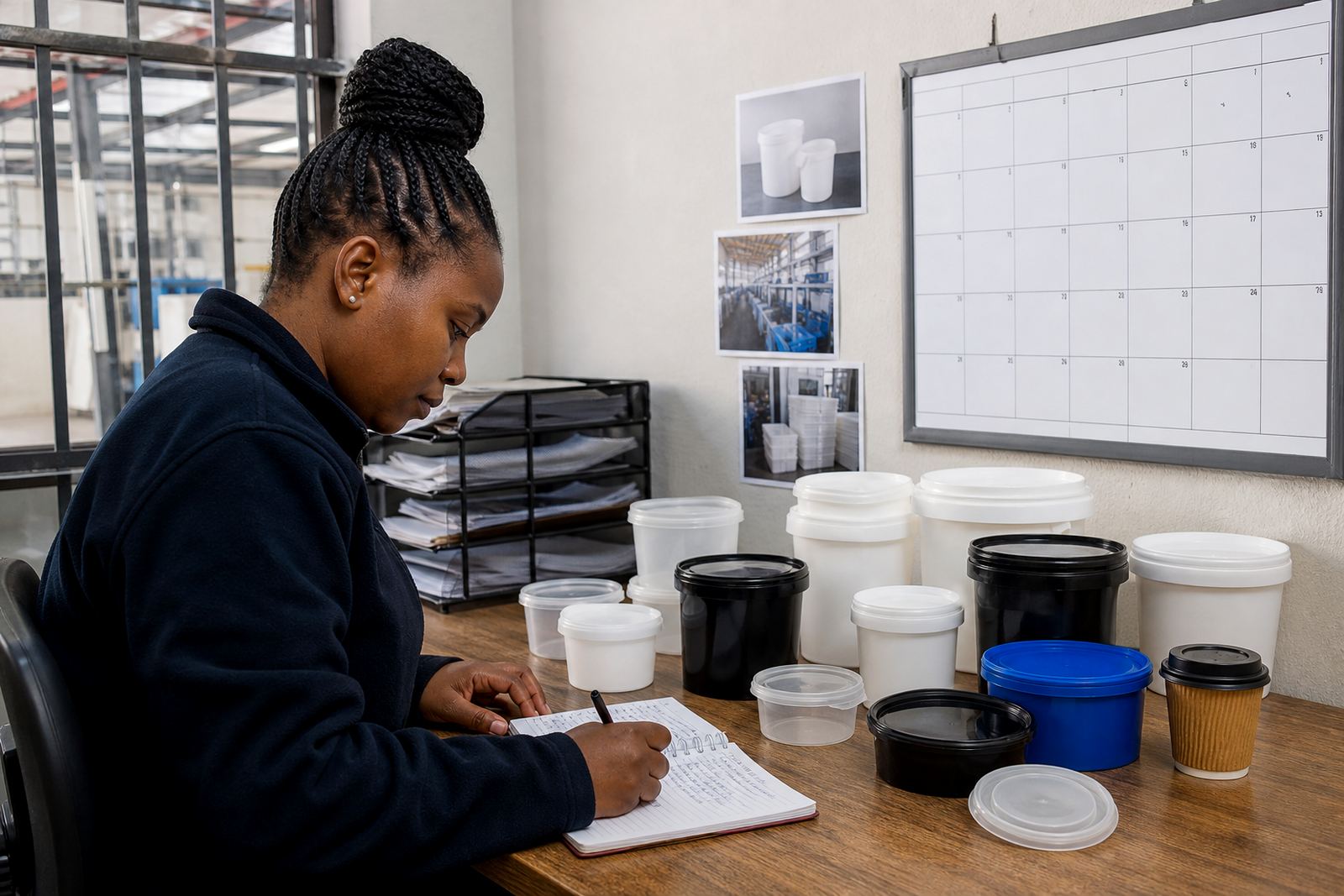
Before a regular stock run, it helps to test the stack with real handling, not only with a sample on a table. Trial production runs show whether the rim holds shape, whether the lid sits properly after nesting, and whether the stack behaves when wrapped and moved. Colour matching guidance matters too when a brand wants the tub, lid and tamper seal to sit neatly together on the shelf.
- Confirm the tub depth suits the planned shelf and pallet height.
- Test how easily staff separate nested tubs by hand.
- Look at how the stack behaves under wrap tension.
- Check that the lid line stays consistent after freight movement.
Line fit checks and mould development work best when the tub is judged in the same conditions it will face in production. That includes stacking empty tubs beside the filler, on the dispatch floor, and in the store room where stock waits for the next run.
Keeping the empty pack useful after the first mould cycle
Empty tubs do a lot of work before they ever hold a product. They must stack neatly, travel well, and leave enough space for busy floors in Johannesburg, Pretoria, Port Elizabeth and beyond. When nesting is planned properly, the container supports storage, freight and line feeding without wasting metres of floor or creating avoidable handling.
At Plastic Factory, that thinking carries through custom tub design, lid development, tamper seal design and stock run planning. A tub that nests cleanly is easier to store, easier to dispatch and easier to place on a packing line. That is the kind of detail that keeps a factory moving without filling the place with loose plastic and avoidable rework.