The seal starts before the lid goes on
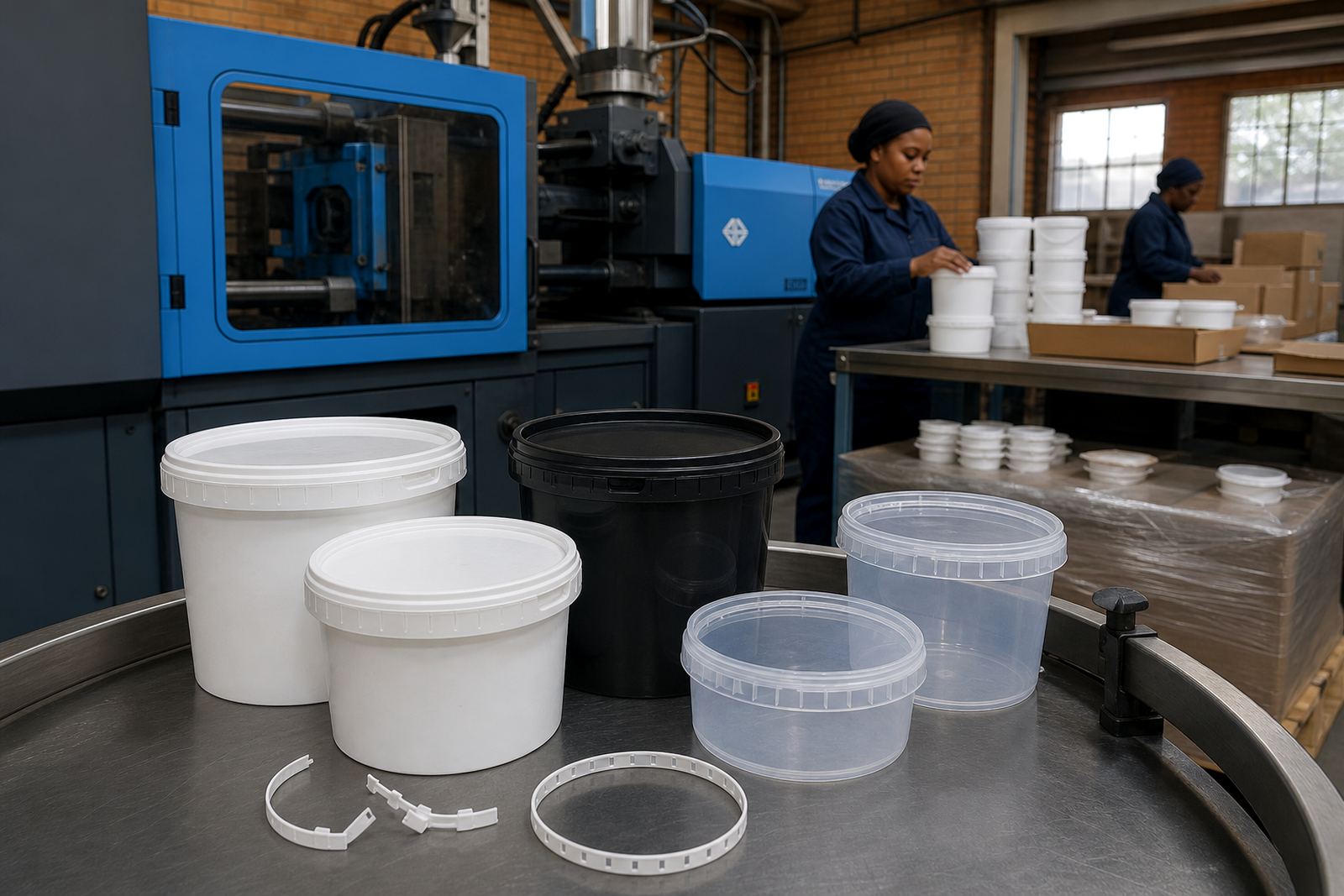
Injection-moulded tubs and containers depend on clean dimensions at the rim, the wall and the lid skirt. If those parts are not matched properly, the pack can look neat at first and still give trouble once it moves through filling, lidding, cartoning or transport.
In a fast packing line, even a small mismatch can create scuffing, cocked lids or uneven closure pressure. That is why material choice, mould development and line fit checks need to work together from the start, not as separate steps.
- Rim profile must suit the lid profile.
- Wall stiffness affects how the pack closes under pressure.
- Stacking and handling depend on consistent moulded dimensions.
What a poor fit does to filled packs
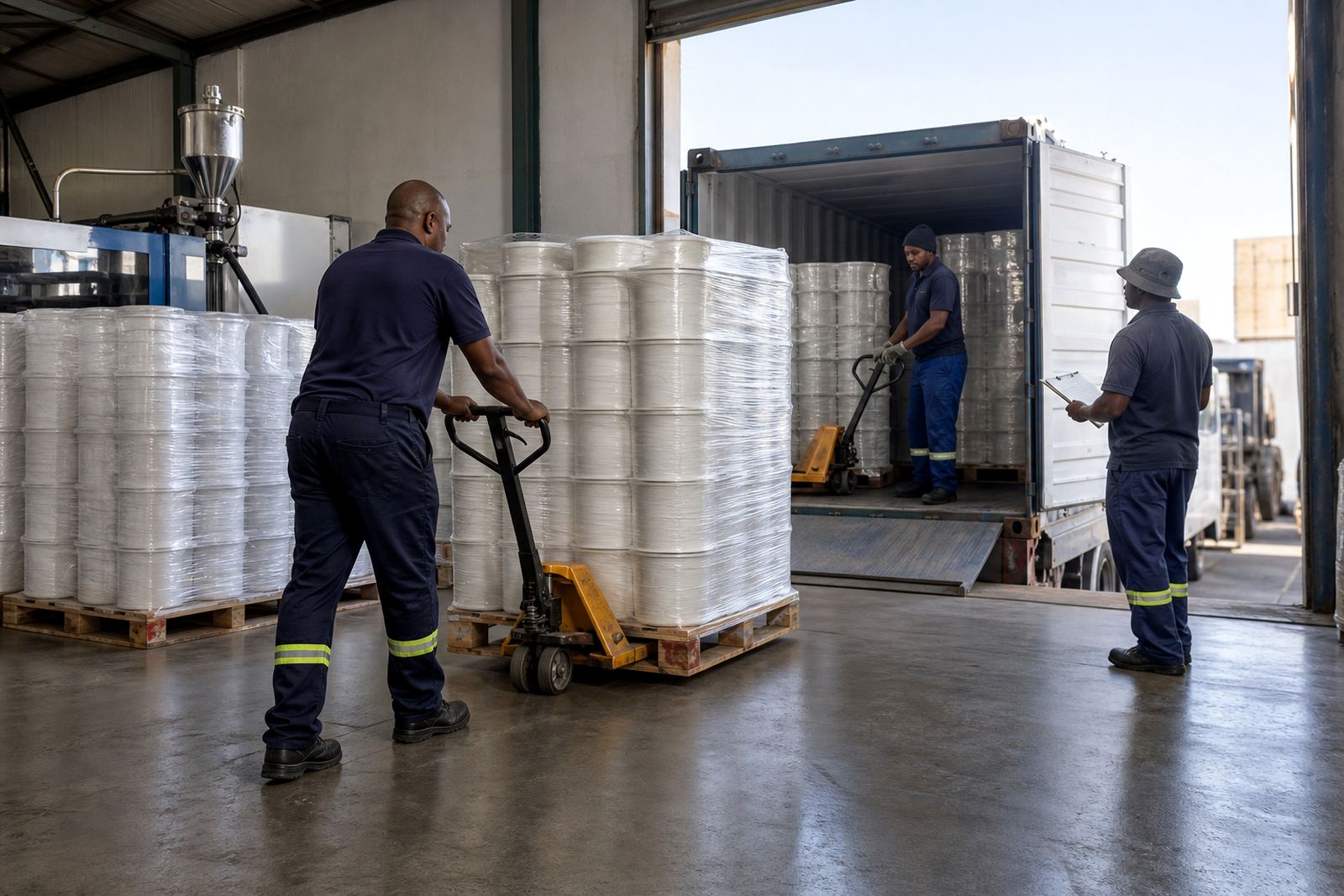
A lid that sits too loose can lift during handling, especially where cartons are moved between warehouse and delivery vehicles. A lid that sits too tight can deform the container, make packing awkward and slow down the line.
For food and cosmetic products, lid fit also affects how the pack behaves after opening and closing by the end user. If the closure fights the container every time, the pack feels cheap even when the product inside is not. That small detail matters in retail, pharmacy and direct supply.
- Loose lids can allow leaks, odour transfer or contamination risks.
- Overtight lids can crack skirts or distort the rim.
- Poor closure feel can make customer use frustrating.
Polypropylene and HDPE need different closure thinking
Polypropylene and HDPE are both common in injection-moulded packaging, but they behave differently. Polypropylene can give firmer snap-on behaviour and is often used where a cleaner closure feel is needed. HDPE has its own strengths in impact resistance and everyday handling, but the lid geometry still has to suit the resin and the pack shape.
That is why material selection is not just about the contents. It also shapes how the rim flexes, how the lid locks and how the container stands up to repeated movement on packing lines. A good fit is as much about the mould as it is about the polymer.
- Match the resin to the product weight and handling pattern.
- Check how the lid locks after repeated opening and closing.
- Test the closure under the same fill level used in practice.
Tamper evidence should not fight the user
Where tamper seals are part of the pack, the lid and seal need to work as one system. If the seal tears unevenly or pulls the lid off centre, the pack may appear tampered with even when it left the line correctly.
That can create problems for pharmacy shelves, personal care displays and food packs that rely on a clean first-open experience. The seal must protect the product, but it should also remove in a controlled way. If the consumer has to wrestle with it, the closure has been overcooked a bit.
Good tamper seal design also helps packers during secondary packing and dispatch. It reduces snagging, keeps cartons tidier and gives the final pack a more professional look when it reaches Johannesburg, Durban or Cape Town.
A Durban example where humidity changed the picture
A packed tub can behave differently in Durban than it does inland, especially when coastal humidity sits with warm warehouse conditions. A lid that seemed fine in Alberton may start to show handling issues once pallets move through a more humid route and the packs spend longer in transit.
In one local packing line, the team found that a slightly tighter lid profile improved stack stability without making opening difficult. The same container body worked well, but the closure needed a small adjustment to suit the product weight and the way cartons were handled. That sort of detail saves time on the line and trouble later in the market.
- Humidity can affect how packs feel during handling.
- Transit vibration exposes weak closure points quickly.
- Local testing is useful for inland and coastal deliveries.
Getting the fit right on trial runs
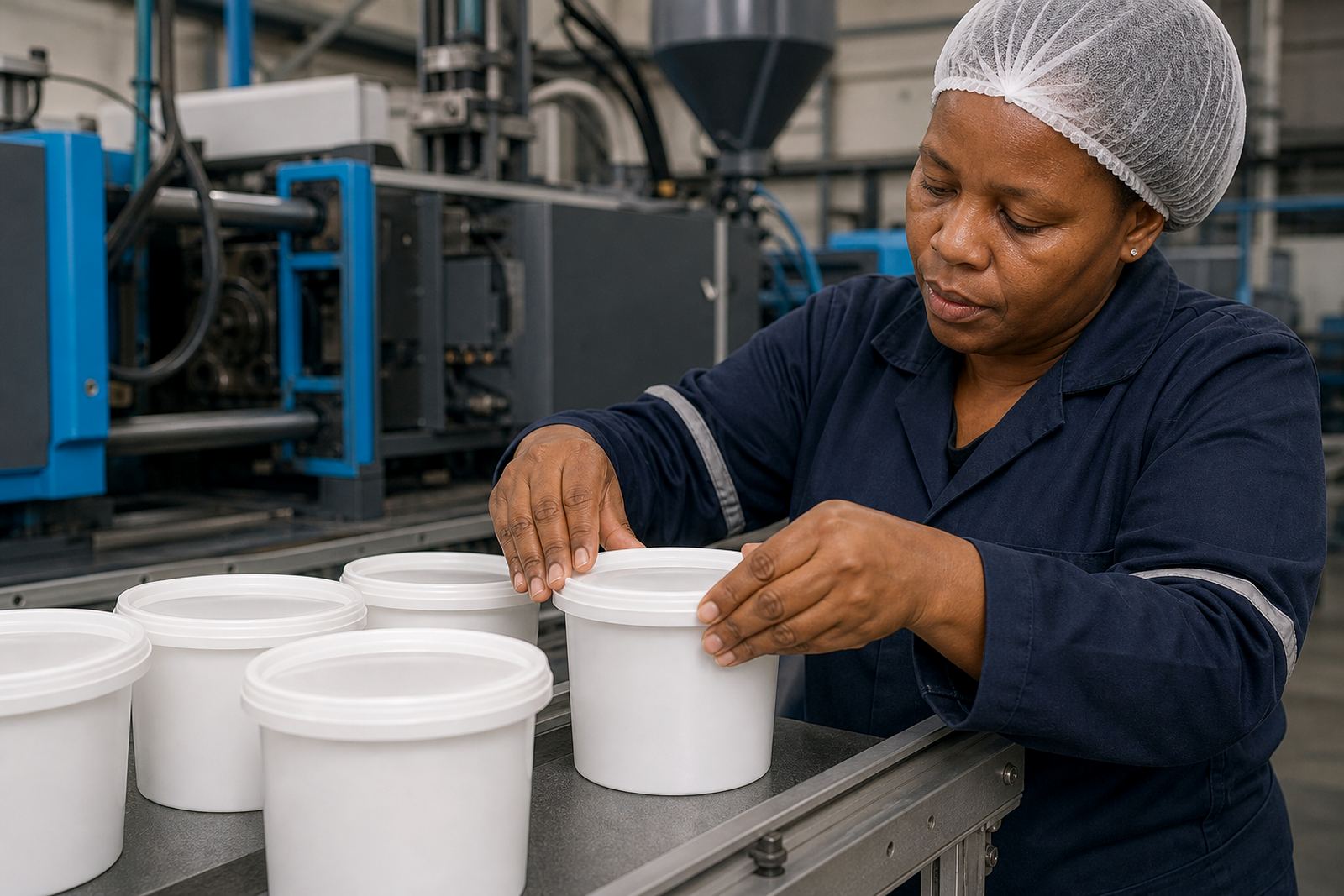
Trial production runs are where lid fit earns its place. The line shows whether the lid seats cleanly, whether the tamper seal behaves properly and whether the container stays neat after packing, stacking and dispatch.
At this stage, pack size planning and secondary packing advice matter as much as the mould itself. A closure that works on a sample bench may not behave the same way on a full packing line with speed, gloves and a full shift in motion. The best time to sort that out is before stock is committed.
- Check the lid on actual filled product, not only on empty containers.
- Review how the pack stacks in cartons and on pallets.
- Confirm the closure feel with the people who handle it daily.
A lid that fits properly carries the pack further
When the lid fits well, the whole pack works better. Product protection improves, handling becomes cleaner and the customer gets a container that opens and closes the way it should.
That is the practical value of careful mould development, material selection and line fit checks. For packers in Alberton, Germiston, Boksburg and further afield, the closure is never just a top piece. It is part of how the product survives the packing line and the journey after it.