Start With the Product Going Into the Tub
Most ordering questions begin with the fill. Thick sauces, powders, creams and tablets all behave differently in a container, and the right shape depends on how your team packs and seals it. Injection-moulded polypropylene and HDPE tubs are used because they hold their form, stack neatly and suit a wide range of food, pharmaceutical and cosmetic products.
For wet product or items that sit in cold rooms, the wall finish and lid fit matter. For dry goods, the fill line and headspace need a bit of planning so the lid closes cleanly without forcing product into the rim. A good starting point is the pack size, the product weight and whether the tub will move through a manual or automated line.
- Share the product type and target fill weight
- Say whether the line is hand-packed or machine-packed
- Note if the pack will sit in cold storage, a warm room or on shelf
- Confirm if the tub must stack for dispatch or retail display
Matching Tubs, Lids and Tamper Seals
A tub and lid must work as one unit. Some lids suit a snap-fit closure, while others are better when a tamper seal is added for product security and shelf confidence. Food-safe materials are selected where direct contact is expected, and the fit has to support clean handling on the packing line.
For packers in Johannesburg, Durban, Cape Town, Pretoria and Port Elizabeth, the same size can still need a different lid detail depending on the product and fill process. Coastal humidity in Durban and Port Elizabeth can also influence how finished packs are stored, so the closure needs to stay consistent through transport and warehouse handling.
- Check whether the lid is for daily repacking or long shelf life stock
- Decide if a tamper seal is needed for retail confidence
- Confirm the closure style before ordering larger volumes
- Ask for line fit checks where the pack runs on existing equipment
Choosing the Right Order Quantity for a Packing Run
Order quantity is usually easier to set once the pack size and sales pattern are clear. A run for a new product launch is not handled the same way as a steady weekly fill. Stock run planning helps balance storage space, cash flow and the risk of running short during a busy cycle.
Many packers start with a trial production run, then adjust the quantity after seeing how the tub performs in real use. That helps when a product has a thicker fill, a new label layout or a lid that needs a slightly firmer closure. It also leaves room for secondary packing advice if the pack goes into cartons, sleeves or mixed dispatch loads.
- Use smaller trial lots for new pack sizes
- Plan larger stock runs when the pack is already proven
- Allow extra units for line checks and breakage allowance
- Match order volume to warehouse space and seasonal demand
What Happens During a Line Fit Check
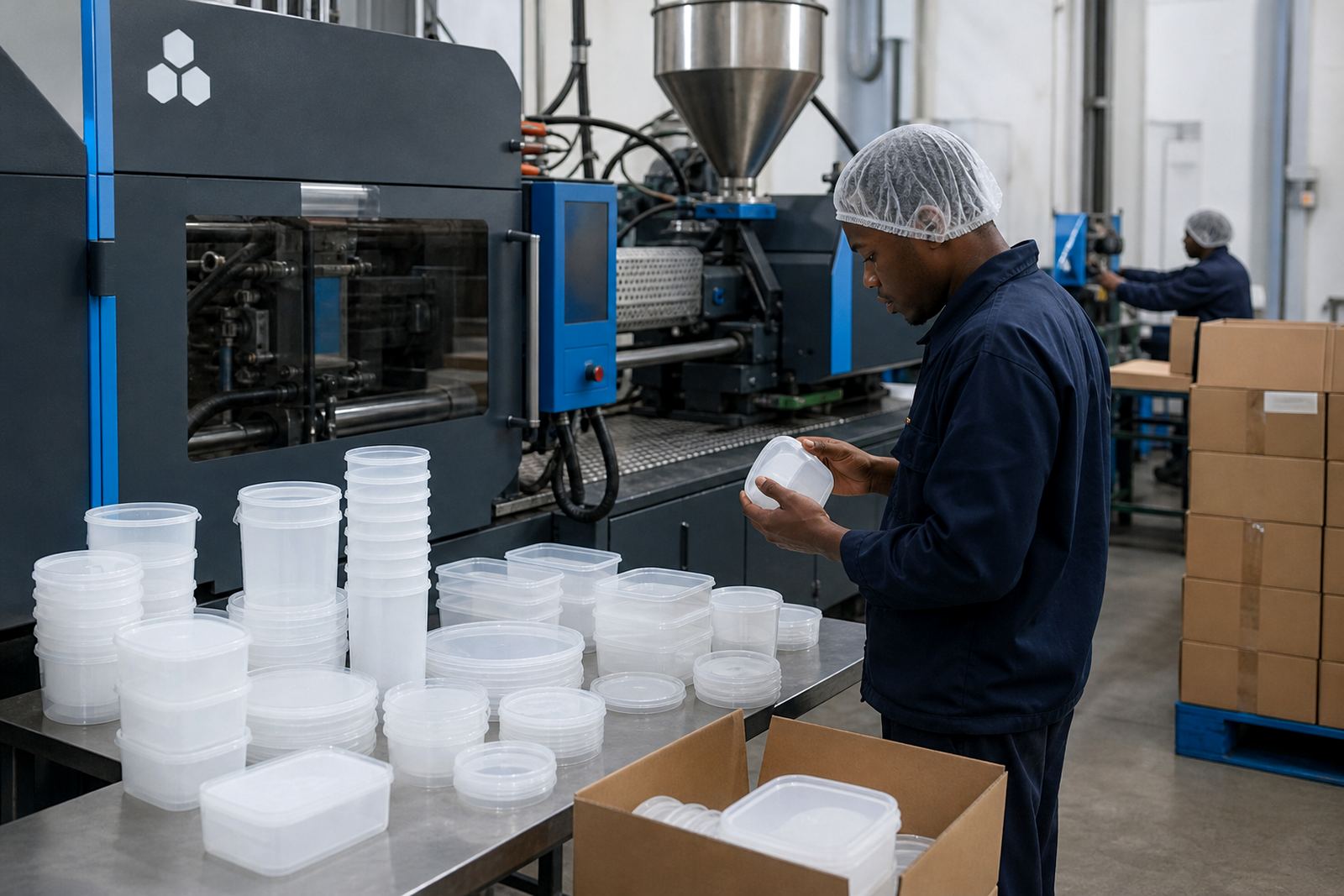
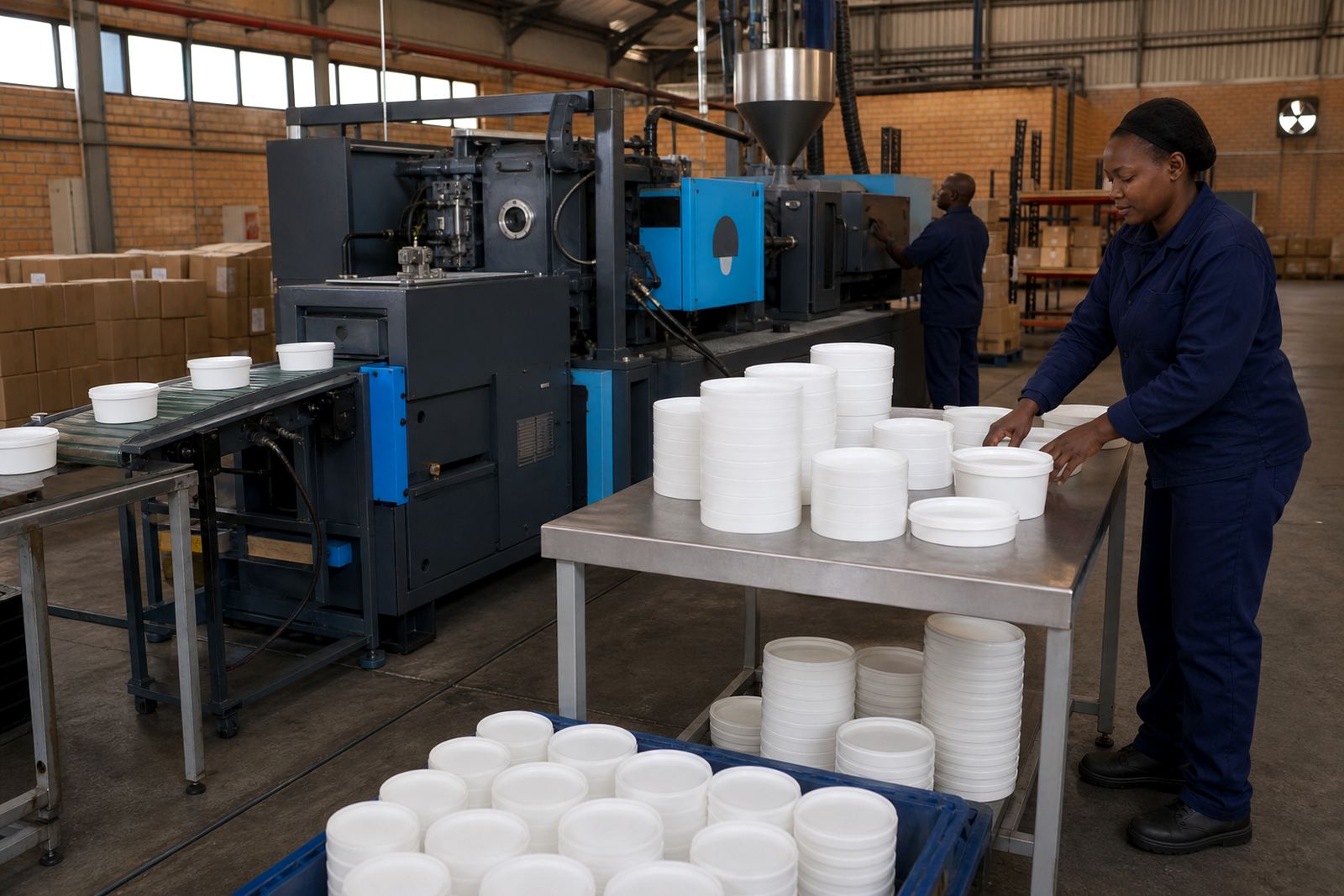
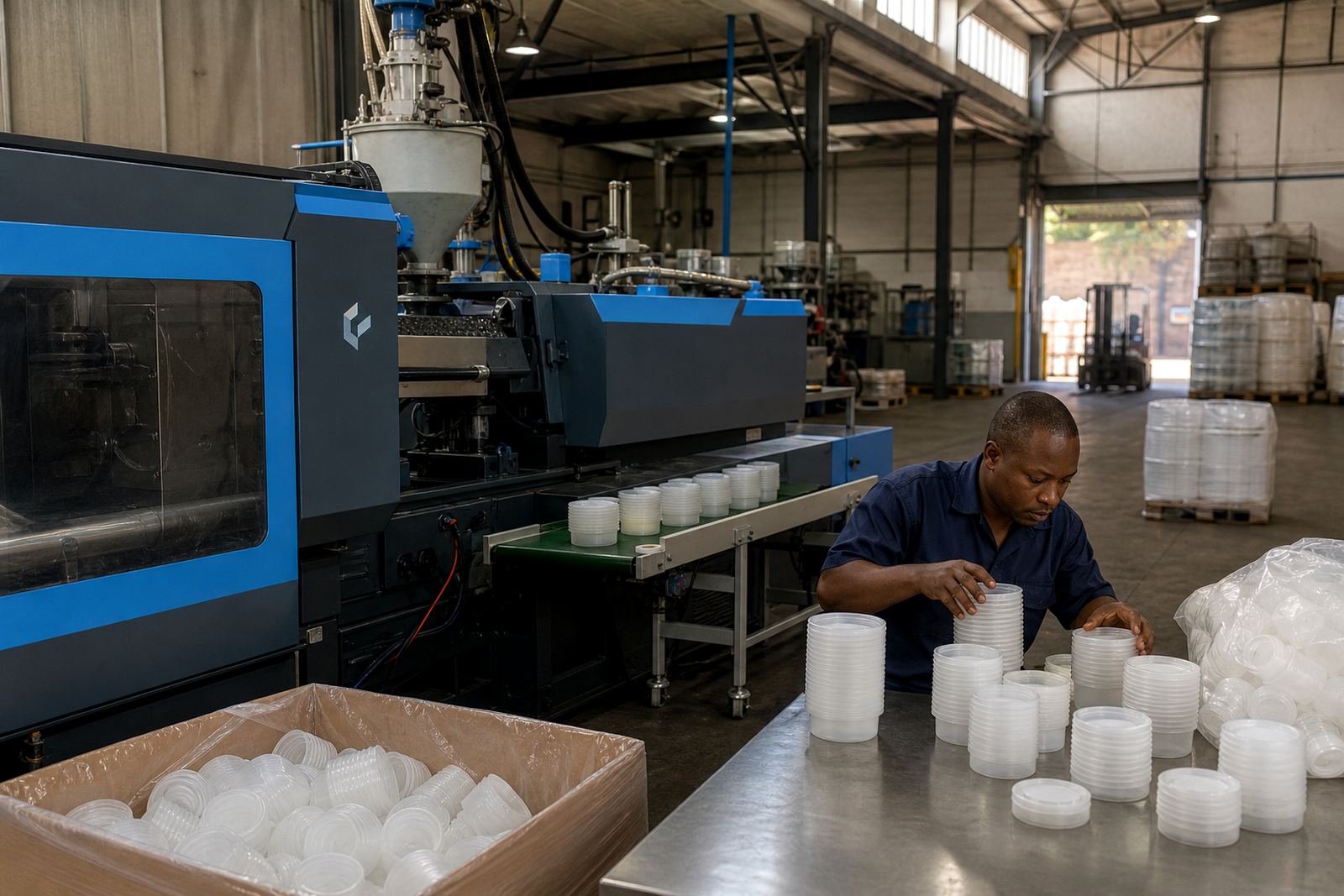
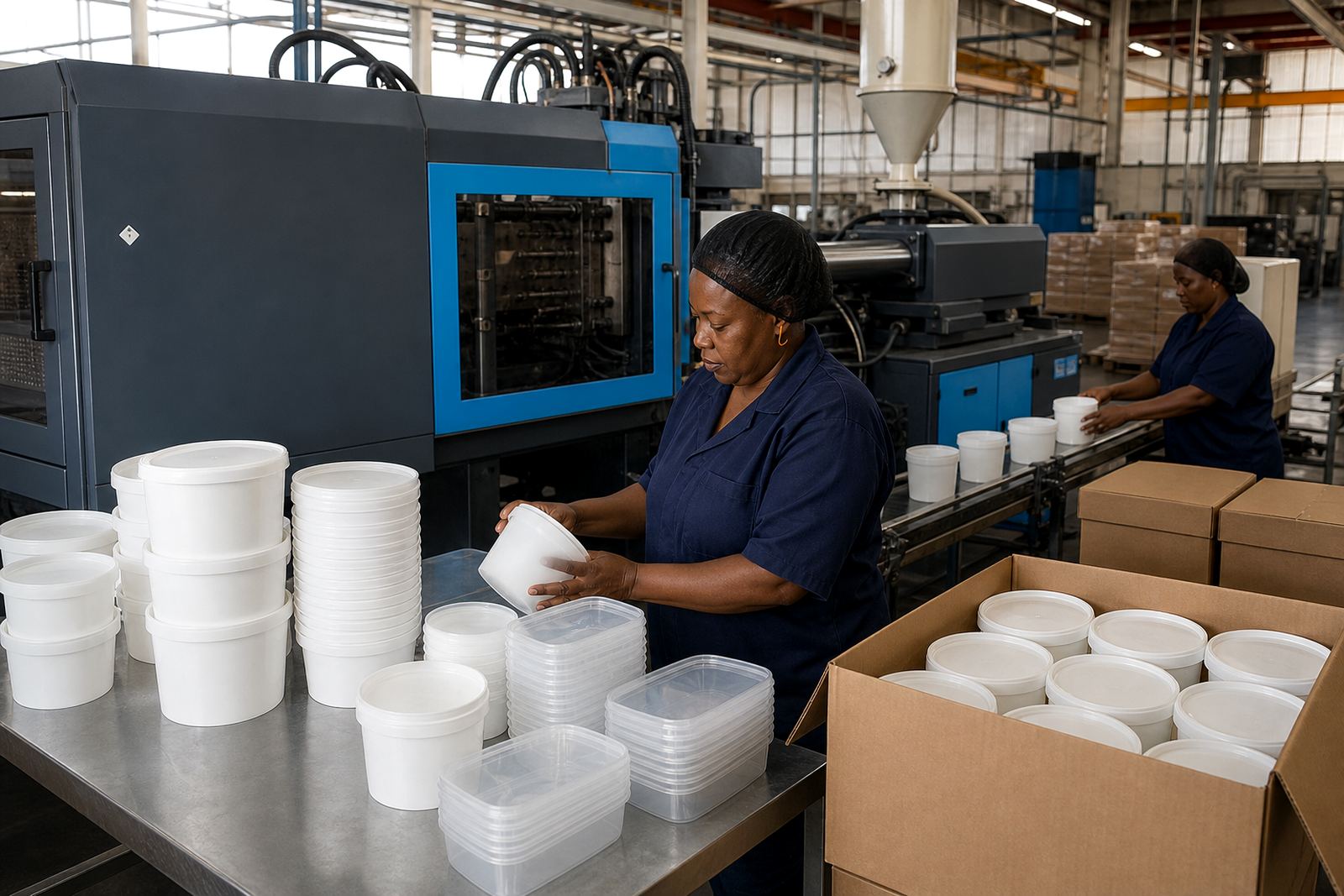
Line fit checks are practical. We look at how the tub moves through filling, lidding, stacking and packing so the container works with the way your operation is set up. A tub that looks right on a sample table can behave differently once it meets conveyors, capping tools or hand packing stations.
The point is to catch small handling issues before they spread through a full batch. That can include lid seating, label space, tamper seal placement and how the pack nests in trays or cartons. If a colour match is needed, the sample also helps test how the shade sits next to your existing product range.
- Confirm the tub size against the actual fill
- Check the lid fit and seal feel on the packing line
- Review stacking, transport and carton placement
- Adjust the format before moving to full volume
Keeping Standard Packs Easy to Reorder
Once a standard tub and lid are chosen, the aim is to keep the pack easy to repeat without guesswork. Clear product notes, agreed pack sizes and a record of the closure type all help when the next stock run is planned. That matters for businesses handling several product lines at once, especially where one size is used across more than one flavour, cream or tablet range.
Ongoing product updates are useful when a pack size needs a small change, such as a different colour, a revised lid or a better tamper seal. It is usually far less disruptive to adjust a known format than to start over with a fresh pack from scratch.
- Keep the pack size, lid type and seal note together
- Record any colour match guidance used for the range
- Use the same storage note for every repeat order
- Review the format when the product or packing method changes
How to Send the Details Through the Enquiry Form
The enquiry form on the contact page is the place to send your pack details. Include the product type, target fill, preferred container size, whether you need lids or tamper seals, and where the stock will be delivered. That gives the team enough to assess standard tubs, custom tub design or mould development where a new format is required.
Plastic Factory operates from Alrode, Alberton and serves packers in Alberton, Germiston, Boksburg, Johannesburg, Pretoria, Durban, Cape Town and Port Elizabeth. The team includes Thabo Letsoalo, Naledi Sauls, Johan Kekana, Ayesha Oosthuizen, Sibusiso Hartnick and Carla Naidoo, each handling the parts of the order that need attention from design through to dispatch.
- Product name and pack use
- Target size or fill weight
- Need for lid development or tamper seal design
- Delivery area and storage conditions
- Any existing pack sample or line fit concern